
Automotive & specialist electronics
Source car infotainment systems from China
Aftermarket infotainment systems need a vehicle fitment schedule and list of retained original functions. Compare head units by dashboard form, display, audio, software and the exact harness and adapters. Pilot the intended configuration with a representative vehicle and authorized installer.
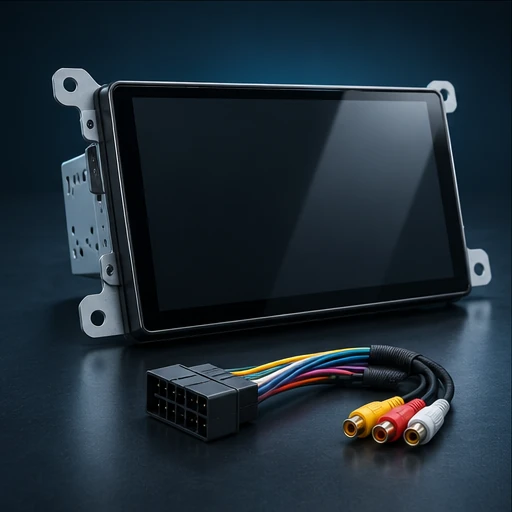
Car Infotainment Systems by application
Choose the format that fits the buyer's operating environment and service plan. Use an exact model identifier in the quotation, sample and inspection request.
Direct-fit head unit
Match dash geometry, holes, wiring, steering controls and factory amplification.
Universal-size unit
Confirm frame kit, interface adapter and cable routing for the application.
Fleet multimedia upgrade
Define call, navigation, rear camera and updating behavior, with the expected operating restrictions.
Inside and outside the product
Explore the enclosure, connections and internal assembly. Open a component to see what it does and what matters when comparing suppliers.
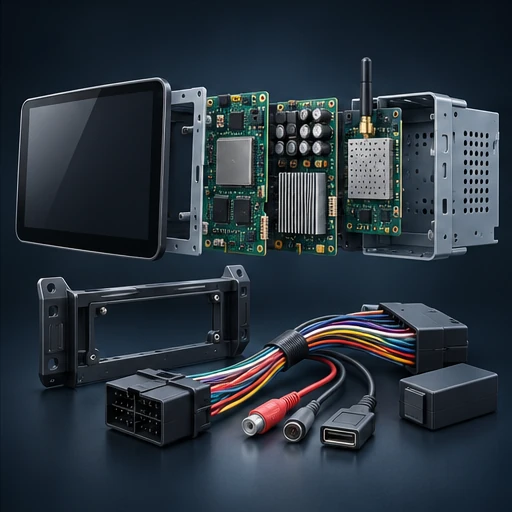
Screen and controls
Determine viewing angle, touch and manual interaction in the dash.
Compute and radio board
Run applications and maintain wireless and media connections.
Audio stage
Drives supported speakers or sends signals to a matched amplifier.
Vehicle adapter and harness
Connect electric supply and approved vehicle functions.
Chassis and cooling
Support fit and remove heat in the installed space.
Car Infotainment Systems specification table
Ask every supplier for a proposed value, evidence and any deviation for the exact model. Test representative samples under the same operating conditions.
| Parameter | Specify or request from the supplier |
|---|---|
| Fitment | Supply vehicle platform, year, trim, dash dimensions and retained functions. |
| Power | Verify voltage, ignition, current, audio connection and mounting environment. |
| Interfaces | List camera, steering, antenna, USB, amplifier and other needed ports. |
| Software | Confirm languages, device pairing, updates and licensing. |
| Usability | Test visibility, voice, startup, reversing view and controls. |
| Service | Identify harness SKU, spare screen, mounting kit and fitment records. |
Compare the offer line by line
Quote frames, vehicle interfaces, rear cameras and microphones separately. Define warranty handling for fit, wiring, camera and app issues.
Record unit price, minimum order by configuration, sample cost, production lead time and delivery terms. Compare scope with the China import quotation checklist.
From sample to shipment inspection
Agree the sample, test method and acceptance limits before releasing production. Record evidence against the approved product version and verify changes before they enter the lot.
Vehicle test
Conduct an authorized installation. Verify audio, power, reverse view and controls while stationary against the written plan.
Model approval
Lock harness, frame, firmware, display and interface references. Record supported and unsupported functions by trim.
Shipment check
Verify connectors, screen and mounting kit and sample boot, audio and camera inputs.
Follow the MOEWORLDWIDE sourcing and quality inspection process for supplier selection, sample review and export coordination.
Documentation, packing and export
Document review
Review destination electrical, emissions or radio evidence relevant to the imported unit. Confirm software licensing and regional features. Have a qualified installer establish fit, permitted use and the safety of retained systems.
Freight and carton details
Protect screen and trim apart from heavy cables and clips. Track accessory kits by dash and harness configuration and verify carton labels by receiving order.
Confirm the commercial invoice, packing list, delivery term and handover point with the parties responsible for the shipment. Record the accessories and carton conditions in the final order.
Request a sourcing quote for car infotainment systems
Share the details below so MOEWORLDWIDE can compare suppliers on the exact configuration, evidence, inspection and delivery scope.
- Application and market. Name your destination country and receiving port or city, the intended environment, and the product format you are evaluating.
- Technical brief. Include targets for fitment, power, interfaces and share an approved drawing, sample or data sheet when available.
- Order and packaging. List quantity by model, trial order size, repeat volume, accessories, pack languages and target delivery date.
- Evidence and terms. List requested reports, sample approval, inspection, warranty expectations and freight handover point.