
Mobile devices & accessories
Source feature phones from China
Feature phones serve basic voice, messaging, backup connectivity and simple field communications where an app-intensive smartphone is unnecessary. The main sourcing decision is whether a handset will reliably register and place calls on the target carrier throughout its planned service life. Compare regional 4G models, physical keypad design and battery or charger supply by destination.
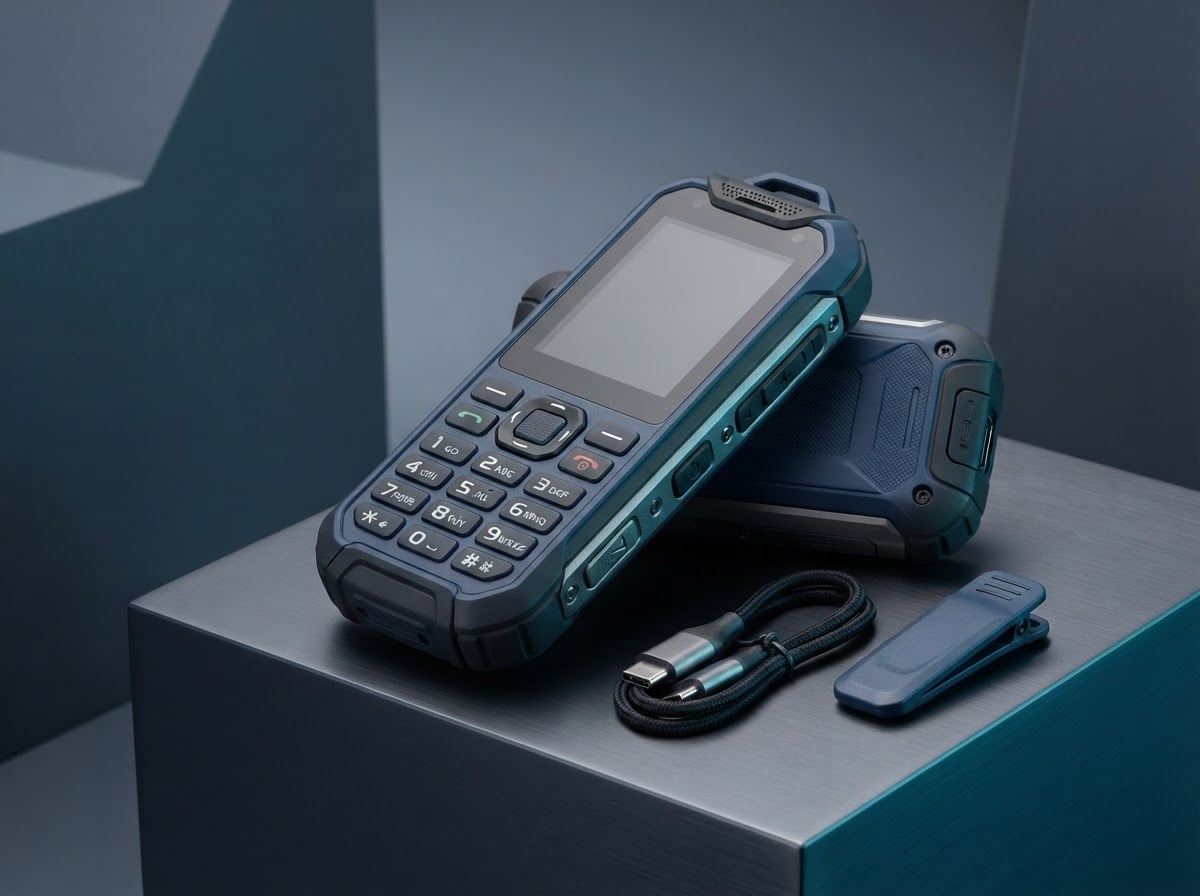
Feature Phones by application
Choose the format that fits your buyer’s environment, operating requirements and support plan. Use the exact model identifier in every quotation and sample request.
Compact keypad handset
Compare simple menus, number readability, phonebook and keypad feedback on a voice-first model.
Large-key model
Check button spacing, contrast, hearing and speaker volume needs on the intended users' language version.
Rugged utility handset
Examine battery access, flashlight operation, impact protection and the availability of charging cradles and belt clips.
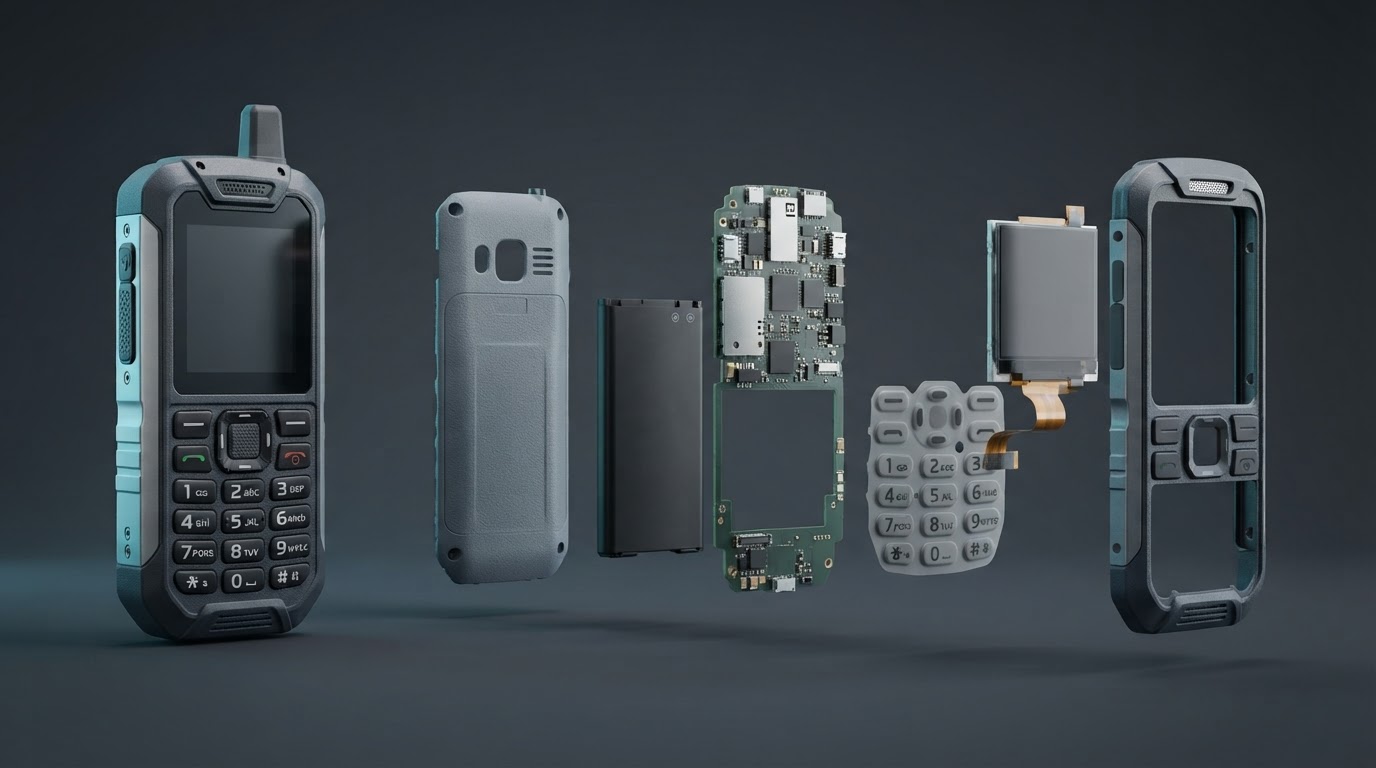
Inside and outside the product
Explore the enclosure, interfaces and internal assembly. Open each component to see what it does and which design details affect sourcing.
Display window
The LCD and cover lens set daylight readability, text size and scratch resistance.
Keypad membrane
Raised keys press onto a contact layer. Mechanical travel and seals affect tactile feel and dirt ingress.
Cellular board and antenna
The modem and antennas handle registration and voice. Carrier support depends on the firmware and network configuration.
Removable battery
Terminals and casing retain the battery pack in many keypad models. Other models have an enclosed cell.
Microphone and speaker
The acoustic openings and electronics govern conversation clarity and call volume.
Feature Phones specification table
Ask each supplier to state a proposed value, supporting evidence and any deviation for the exact model it quotes. Measure samples under the same operating conditions before confirming the final configuration.
| Parameter | Specify or request from the supplier |
|---|---|
| Network support | Specify carrier, LTE bands and voice mode, roaming requirements, SIM count and size, and local emergency call behavior. |
| Interface | Select language, fonts, keypad legend and menu depth. Verify contact import or backup if required. |
| Screen and acoustics | Set practical readability, loudspeaker volume and earpiece quality acceptance criteria. |
| Battery and accessory | Record battery part, Wh, standby and talk test methods, replacement availability and charger style. |
| ميكانيكي | Agree daylight key contrast, case retention, latch life, key cycles and moisture or drop test evidence where relevant. |
| Provisioning | Document model number, firmware version, IMEI mapping and data or tethering features. |
Compare the offer line by line
Specify swap stock and timing for defective handsets or weak batteries. Quote the same package configuration across suppliers, with charger, cable, replacement battery and any cradle listed separately.
Record unit price, minimum order by configuration, sample cost, lead time and quoted handover terms. Use the China import quotation checklist to compare the cost and inclusions of each offer.
From sample to shipment inspection
Agree the sample, test method and acceptance limits before releasing a production order. Build the report around the product’s expected use and the components that can change between lots.
Real carrier trial
Test call setup, two-way audio, SIM switching, weak-signal recovery and text messaging on the intended operator. Confirm which networks the supplier used in its report.
Pilot lot
Compare key feel and fitted door latches across units. Lock menu language and keypad artwork before release.
Pre-shipment
Sample registration, battery seating, audio on a test call, charging and barcode scans. Check that chargers and manuals match the order.
See how supplier selection and inspection coordination fit into the MOEWORLDWIDE sourcing process.
Documentation, packing and export
Document review
Check radio compliance for the actual regional variant and battery transport documents for the supplied cell. For reserve batteries, ask the supplier to list their model and rating separately and verify whether the route can take them. Review importer label and language instructions for the target market.
Freight and carton details
Avoid stock with batteries of mixed age or unidentified lots. Agree protective packing against keypad and screen scuffing and request a carton-by-carton list of models, serials and accessories.
Confirm the commercial invoice, packing list, delivery term, cargo handover and any destination-specific documents with the parties responsible for the shipment.
Request a sourcing quote for feature phones
Share the details below so MOEWORLDWIDE can compare offers on the same scope, including the supplied configuration, documentation, inspections and delivery terms.
- Application and market. Identify the compact keypad handset, large-key model or another configuration you are evaluating, and name the destination country and receiving city or port.
- Product specification. Include your target values for network support, interface, screen and acoustics and attach a current drawing, reference unit or datasheet if available.
- Order and packaging. List quantity by model, trial order size, likely repeat volume, required pack languages, accessories and target delivery date.
- Evidence and terms. List required reports, sample approvals, inspection scope, warranty expectations and preferred freight handover point.