
Computing & peripherals
Source solid-state drives from China
SSD sourcing for distribution, embedded systems and server fleets depends on the drive interface, memory type, controller, endurance and power behavior. Capacity and peak speed offer a starting point. Compare sustained write, latency and thermal performance using the intended workload and final host enclosure.
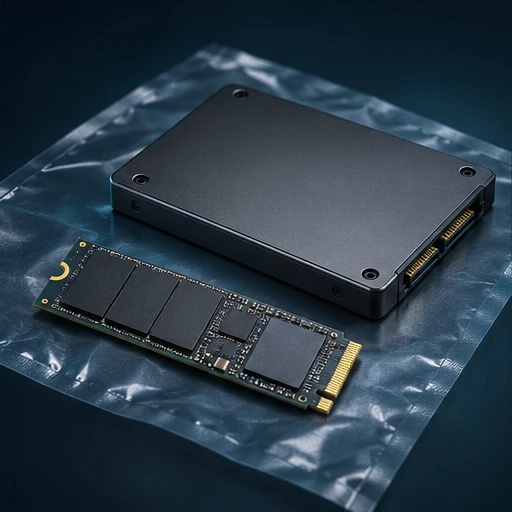
Solid-State Drives by application
Choose the format that fits your buyer’s environment, operating requirements and support plan. Use the exact model identifier in every quotation and sample request.
Client drive
Check boot performance, idle power, thermal throttling and sustained transfers at realistic fill levels.
Industrial drive
Prioritize temperature range, controlled parts, firmware support and write integrity on power interruptions.
Enterprise drive
Define workload and latency targets, endurance, error reporting and required power-loss protection.
Inside and outside the product
Explore the enclosure, interfaces and internal assembly. Open each component to see what it does and which design details affect sourcing.
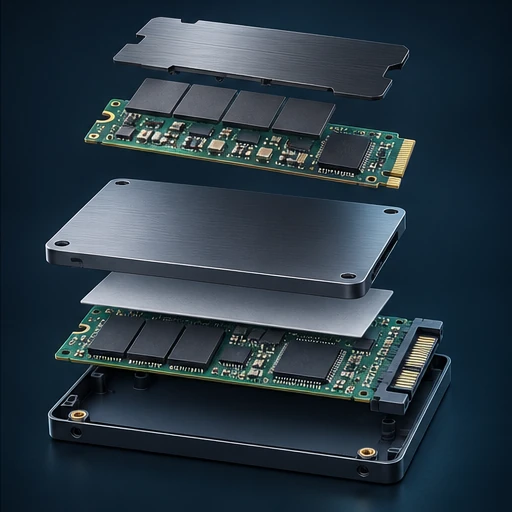
Controller
Translates host requests and manages flash wear, mapping and data integrity.
NAND packages
Store data and vary by technology, geometry and endurance target.
Board and connector
The PCB establishes fit, interface and heat flow. M.2 and SATA form factors use different mechanical and link arrangements.
Cache and power protection
Cache design affects some workloads. Optional hold-up components support power-loss protections on qualifying models.
Thermal spreader
The enclosure or spreader dissipates heat within the airflow and clearance available.
Solid-State Drives specification table
Ask each supplier to state a proposed value, supporting evidence and any deviation for the exact model it quotes. Measure samples under the same operating conditions before confirming the final configuration.
| Parameter | Specify or request from the supplier |
|---|---|
| Form and link | Confirm drive size, keying and protocol, slot clearance and lane requirements. |
| Storage | State usable capacity, NAND type, controller ID, firmware and trim or monitoring support. |
| Throughput and latency | Set read and write profile, queue depth, fill level, sustained run time and environment. |
| Endurance | Request the rating, workload assumptions, warranty limits and power-loss behavior. |
| Power and temperature | Compare in-use and idle draw, thermal throttling threshold and cooling fixture. |
| Tracing | Require serial numbers, current firmware, health report, production date and parts change rules. |
Compare the offer line by line
Price consistent NAND, heat spreaders, capacity and firmware integration options separately. Establish eligibility for returns based on drive health, lifetime usage and defect evidence.
Record unit price, minimum order by configuration, sample cost, lead time and quoted handover terms. Use the China import quotation checklist to compare the cost and inclusions of each offer.
From sample to shipment inspection
Agree the sample, test method and acceptance limits before releasing a production order. Build the report around the product’s expected use and the components that can change between lots.
Controlled benchmarks
Compare supplier samples against full workload, at the same firmware and temperature, after cache exhaustion where applicable. Review power interruption test evidence when specified.
Manufacturing release
Approve NAND and controller combos and write restrictions on substitution. Check exact module and firmware lot identity.
Incoming checks
Inspect packing and serials, test actual capacity and health records, and sample sustained data transfers before allocating the lot.
See how supplier selection and inspection coordination fit into the MOEWORLDWIDE sourcing process.
Documentation, packing and export
Document review
Request model and lot traceability with the required materials documentation. Verify warranty conditions for endurance, writable capacity and managed or refurbished status. For industrial projects, require a parts-change and end-of-life notice procedure.
Freight and carton details
Use anti-static packing and individual trays for modules, and protect edge connectors. Label capacity, form factor and model per carton. Define shipping conditions for assemblies containing drives separately.
Confirm the commercial invoice, packing list, delivery term, cargo handover and any destination-specific documents with the parties responsible for the shipment.
Request a sourcing quote for solid-state drives
Share the details below so MOEWORLDWIDE can compare offers on the same scope, including the supplied configuration, documentation, inspections and delivery terms.
- Application and market. Identify the client drive, industrial drive or another configuration you are evaluating, and name the destination country and receiving city or port.
- Product specification. Include your target values for form and link, storage, throughput and latency and attach a current drawing, reference unit or datasheet if available.
- Order and packaging. List quantity by model, trial order size, likely repeat volume, required pack languages, accessories and target delivery date.
- Evidence and terms. List required reports, sample approvals, inspection scope, warranty expectations and preferred freight handover point.