
Audio, video & photography
Source wireless earbuds from China
Wireless earbuds can look similar outside while using very different acoustics, charging and microphone arrangements. Compare open-fit earbuds, sealed in-ear designs and secure sport models by comfort, sound, calls, runtime and repair policy. Set requirements for the buds and the charging case, then test both together with the phones buyers actually use.
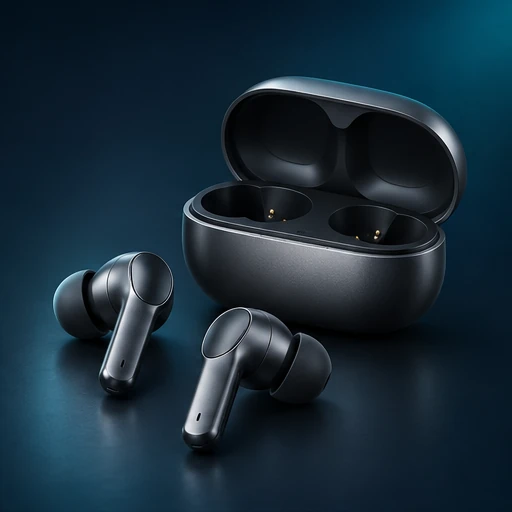
Wireless Earbuds by application
Choose the format that fits your buyer’s environment, operating requirements and support plan. Use the exact model identifier in every quotation and sample request.
Open-fit earbuds
The opening leaves part of the ear canal exposed. Compare fit across users, leakage, airflow and microphone behavior in noise.
Sealed in-ear earbuds
Removable tips change seal, bass and passive isolation. Test multiple sizes and controlled noise profiles if active cancellation is offered.
Sport earbuds
Check hook or wing retention, contact fit, sweat exposure evidence and repeated fit after movement. Confirm case fit with ear tips attached.
Inside and outside the product
Explore the enclosure, interfaces and internal assembly. Open each component to see what it does and which design details affect sourcing.
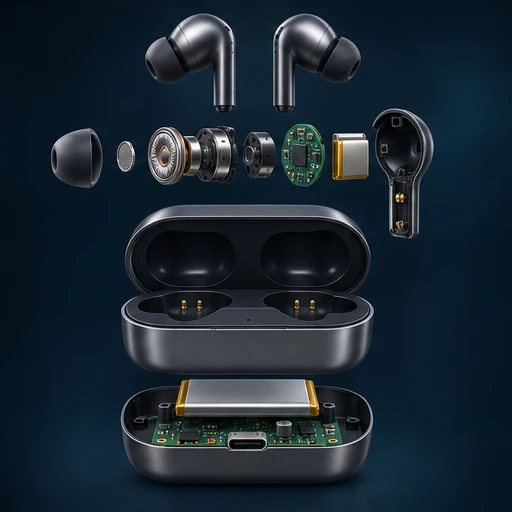
Shell, vents and nozzle
External openings and fit shape affect comfort, acoustic tuning and exposure to moisture.
Driver and acoustic chamber
The driver produces sound into a chamber. Meshes, vents and tips change how that sound reaches the ear.
Microphone placement
Microphones in the shell or stem feed calls and optional ambient listening or cancellation.
Radio board and cell
The controller handles wireless audio, controls and charging. Each earbud contains its own compact energy source.
Charging case
A separate battery, case board, contacts and wired or wireless charging interface replenish the buds.
Wireless Earbuds specification table
Ask each supplier to state a proposed value, supporting evidence and any deviation for the exact model it quotes. Measure samples under the same operating conditions before confirming the final configuration.
| Parameter | Specify or request from the supplier |
|---|---|
| Fit and variants | List open or sealed profile, tip sizes, material, shell dimensions, retention and case color or finish. |
| Audio | Specify measured frequency response conditions, output target, distortion and fit used for comparison. |
| Calls and noise modes | Agree call test scenarios, microphone performance, wind handling, transparency and active cancellation where applicable. |
| Wireless | Confirm codecs, device pairing, reconnection, single-bud use, latency and host OS feature support. |
| Power | Record each cell and case Wh, playback test assumptions, charging output, recharge time and case port. |
| متانة | Define charging-contact life, hinge and lid cycles, verified ingress claims and cleaning instructions. |
| Firmware | List touch controls, supported updates, reset, app and data handling, indicator behavior and serial traceability. |
Compare the offer line by line
Compare case electronics, microphone design, fit extras, retail pack and spares separately. Agree replacements for a lost bud, a failed case, weak battery or pairing fault and clarify cross-generation compatibility before selling service parts.
Record unit price, minimum order by configuration, sample cost, lead time and quoted handover terms. Use the China import quotation checklist to compare the cost and inclusions of each offer.
From sample to shipment inspection
Agree the sample, test method and acceptance limits before releasing a production order. Build the report around the product’s expected use and the components that can change between lots.
Listening samples
Compare multiple users and phone types. Run call, walking, disconnect and latency tests with matching volume and enabled features. Test charging both buds after interruptions.
Production sample
Freeze driver, microphone, shell, case and firmware. Confirm fit with all tip sizes and equivalence between left and right.
Pre-shipment
Check pairing, channels, microphones, active case contacts, lid fit, resting charge and carton pack. Confirm lot-specific serial and battery records.
See how supplier selection and inspection coordination fit into the MOEWORLDWIDE sourcing process.
Documentation, packing and export
Document review
Request wireless evidence for the exact earbud and case configuration. Collect separate battery specifications and relevant transport summaries for the earbuds and charging case. A water-resistance or runtime statement should identify the tested component, test method and optional functions used.
Freight and carton details
Include both earbuds and case on the packing summary. Protect contacts, state any battery state-of-charge requirements from the carrier and document whether spares ship loose or assembled. Check tip pack, cable and manual counts.
Confirm the commercial invoice, packing list, delivery term, cargo handover and any destination-specific documents with the parties responsible for the shipment.
Request a sourcing quote for wireless earbuds
Share the details below so MOEWORLDWIDE can compare offers on the same scope, including the supplied configuration, documentation, inspections and delivery terms.
- Application and market. Identify the open-fit earbuds, sealed in-ear earbuds or another configuration you are evaluating, and name the destination country and receiving city or port.
- Product specification. Include your target values for fit and variants, audio, calls and noise modes and attach a current drawing, reference unit or datasheet if available.
- Order and packaging. List quantity by model, trial order size, likely repeat volume, required pack languages, accessories and target delivery date.
- Evidence and terms. List required reports, sample approvals, inspection scope, warranty expectations and preferred freight handover point.