
Makeup manufacturing & private label sourcing · China
Makeup manufacturing.
Beyond the ordinary.
Your next beauty range begins here. Connect product, packaging and China sourcing with one carefully considered brief.
For beauty brands and international buyers
A considered product. A coherent brand. A clear path to market.
For beauty brands, retailers, distributors and founders, a successful range begins with connected decisions: the product feel, the pack in a customer’s hand and the specification that a supplier can reproduce. MOEWORLDWIDE helps coordinate the sourcing conversation from brief to shipment.
Idea → Formulation direction → Packaging → Production → Quality control → Export
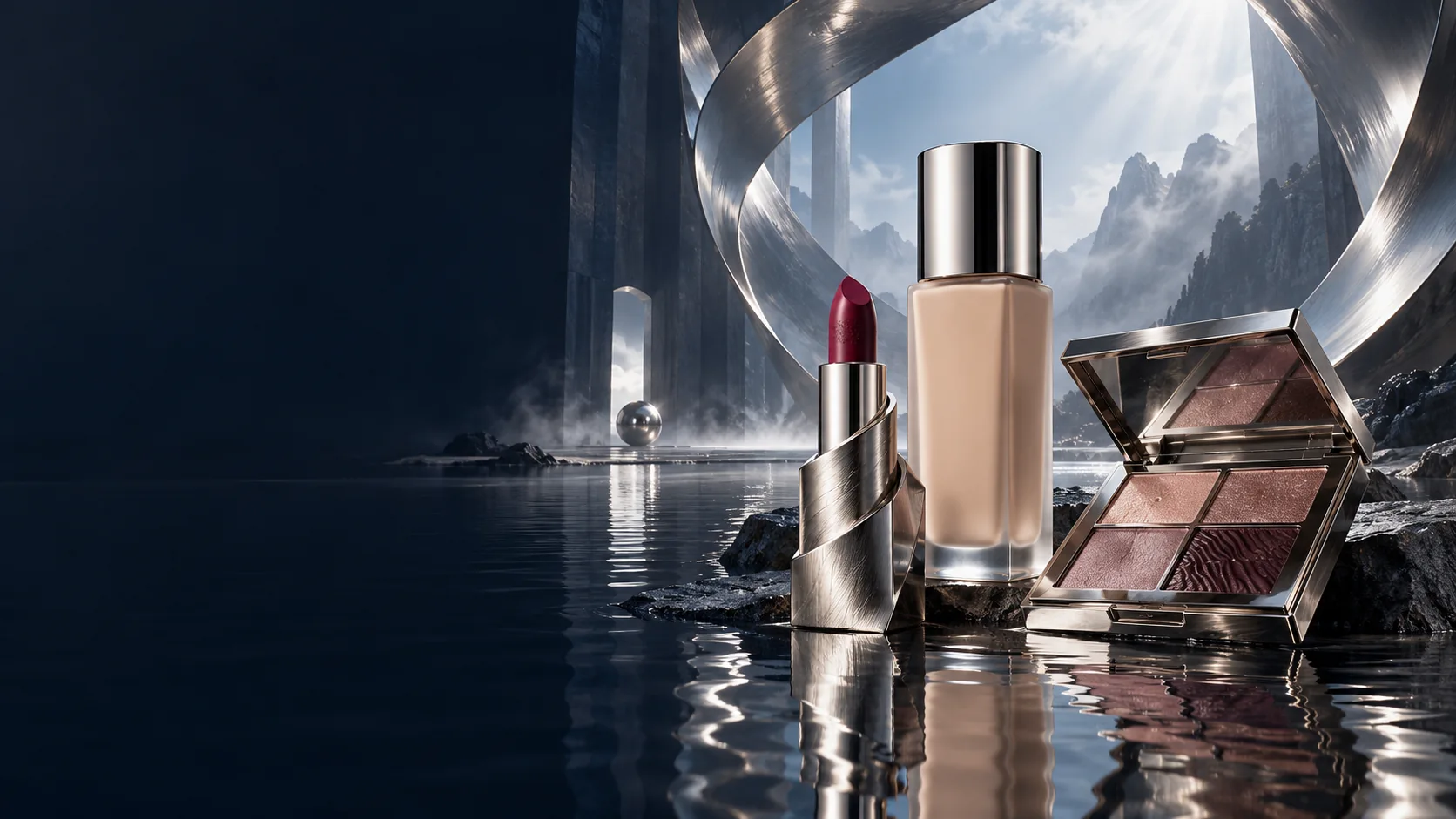
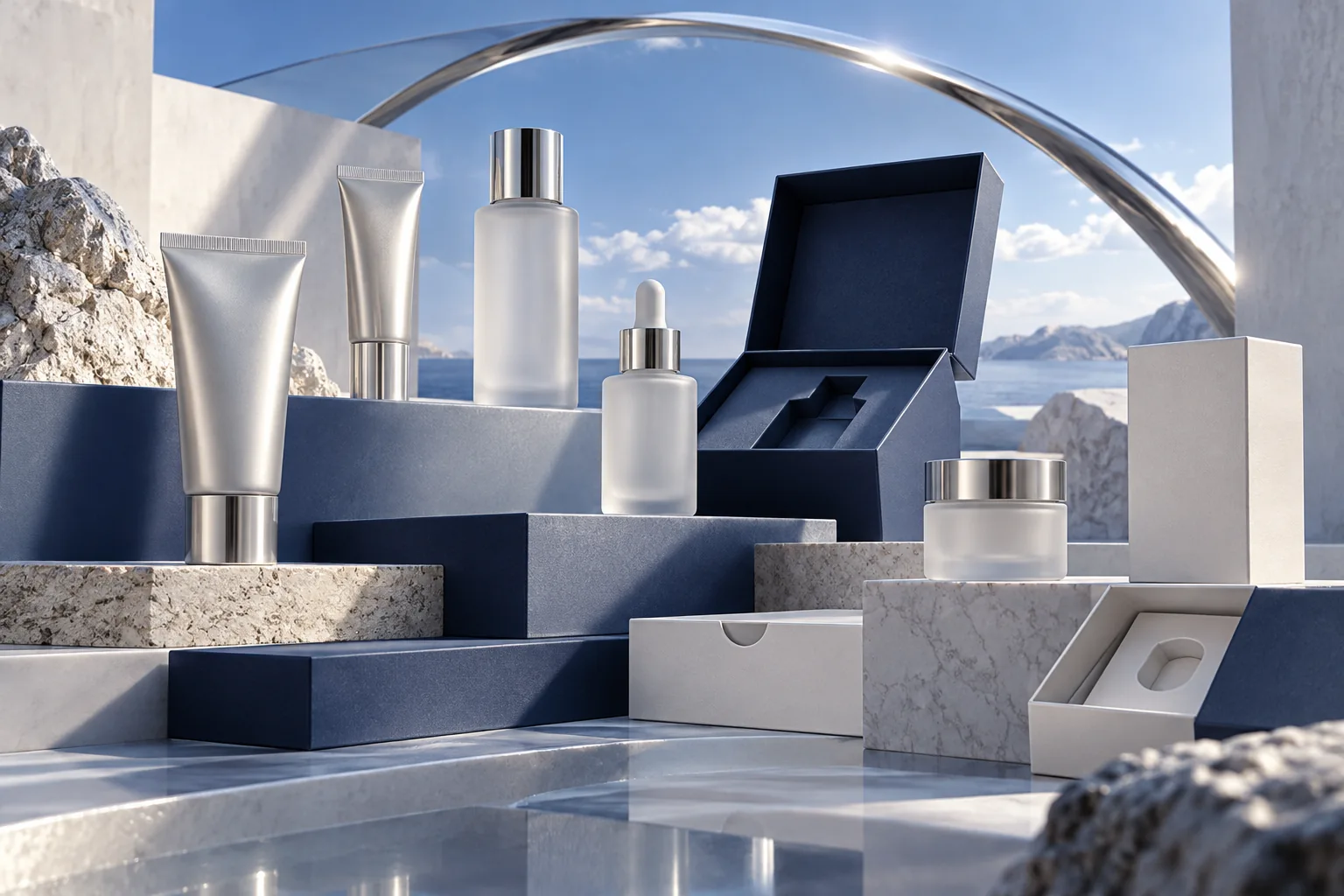
AI-generated product concepts illustrate this page. They are not photographs of MOEWORLDWIDE facilities, client products or available inventory. Specialist capabilities are confirmed for each enquiry.
Imagine
A world around
your beauty.
A range can express more than a colour. Define the feeling, the ritual and the customer experience before choosing the product.
Brand first. Product by product.
Makeup manufacturing in China, with your brand in focus.
A memorable beauty range connects what a customer sees with what they experience. For private label cosmetics sourcing, that starts with a focused product proposition: the customer, the shade story, the application and the pack. MOEWORLDWIDE helps connect that direction with supplier enquiries, comparable quotations, samples and export planning.
A first collection
Start with a clear hero product, a useful shade selection and a defined customer. A smaller launch can make sample evaluation, packaging decisions and stock planning easier to manage.
A growing beauty brand
Use your existing sales and customer feedback to guide new shades, finishes or formats. Compare a proposed addition with your current range so product feel and presentation remain coherent.
Retail & distribution
Define the shelf format, assortment, selling market and reorder needs. Include display packaging, language versions, carton quantities and retail handling requirements in the first supplier brief.
Find the shape of your range.
Explore a focused assortment or plan a coordinated collection. Product and supplier suitability depend on your brief.
Lips
Lipstick, lip gloss, lip liner and lip balm. Define shade, payoff, feel and the applicator experience.

Complexion
Foundation, concealer, primer, BB cream and CC cream. Specify coverage, shade direction and finish.
Colour & definition
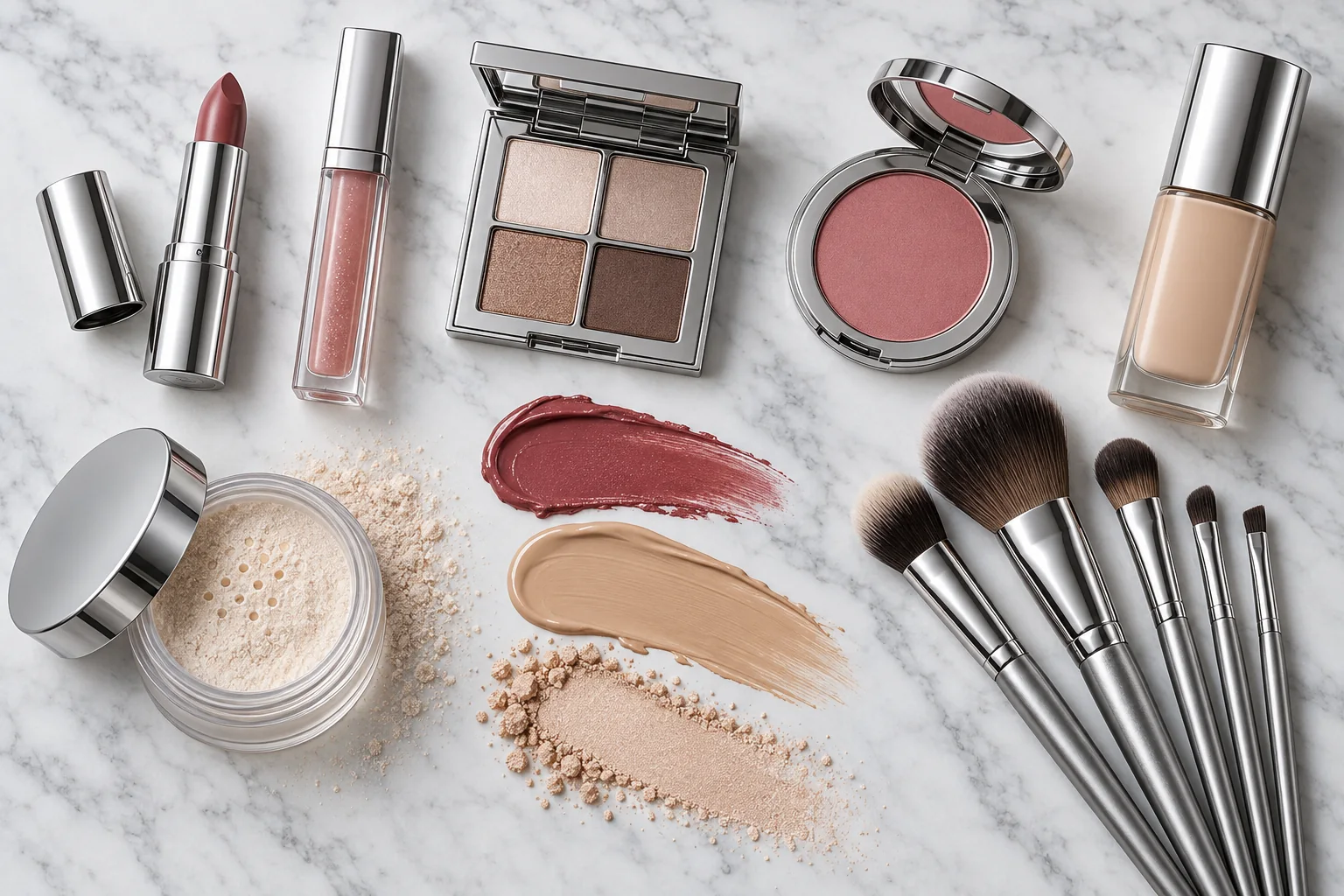
Blush, highlighter, bronzer, contour, mascara, eyeliner, eyeshadow and coordinated makeup palettes.
Finish & accessories
Setting powder, setting spray, makeup brushes, beauty accessories, custom makeup sets and gift sets.
Make comparisons meaningful.
Write down the finish, texture, shade reference, fill size, application method and intended customer. Use the same brief with each prospective supplier so differences in price and specification are visible.
Approve the product you intend to sell.
Ask which formula platforms exist, what can be changed and what development evidence is available. Review samples and define acceptable shade, odour, viscosity or performance tolerances where relevant.
Build a range with a reason.
Separate hero products from supporting shades and accessories. Assess minimums by shade and pack component, forecast reorder needs and avoid creating a large range before testing the product proposition.
Feel
Colour with
character.
Velvet, satin, sheer or luminous. Translate the creative direction into a product sample you can evaluate and a specification you can approve.
Shade, texture and finish
From a mood to a measurable brief.
Custom makeup sourcing works best when a visual idea becomes a set of decisions that a supplier can reproduce.
Define the shade story.
Give each lipstick, blush or eyeshadow shade a reference and a role in the collection. Review samples under consistent lighting, record feedback and agree how shade variation will be assessed. Screen colours alone are not a production standard.
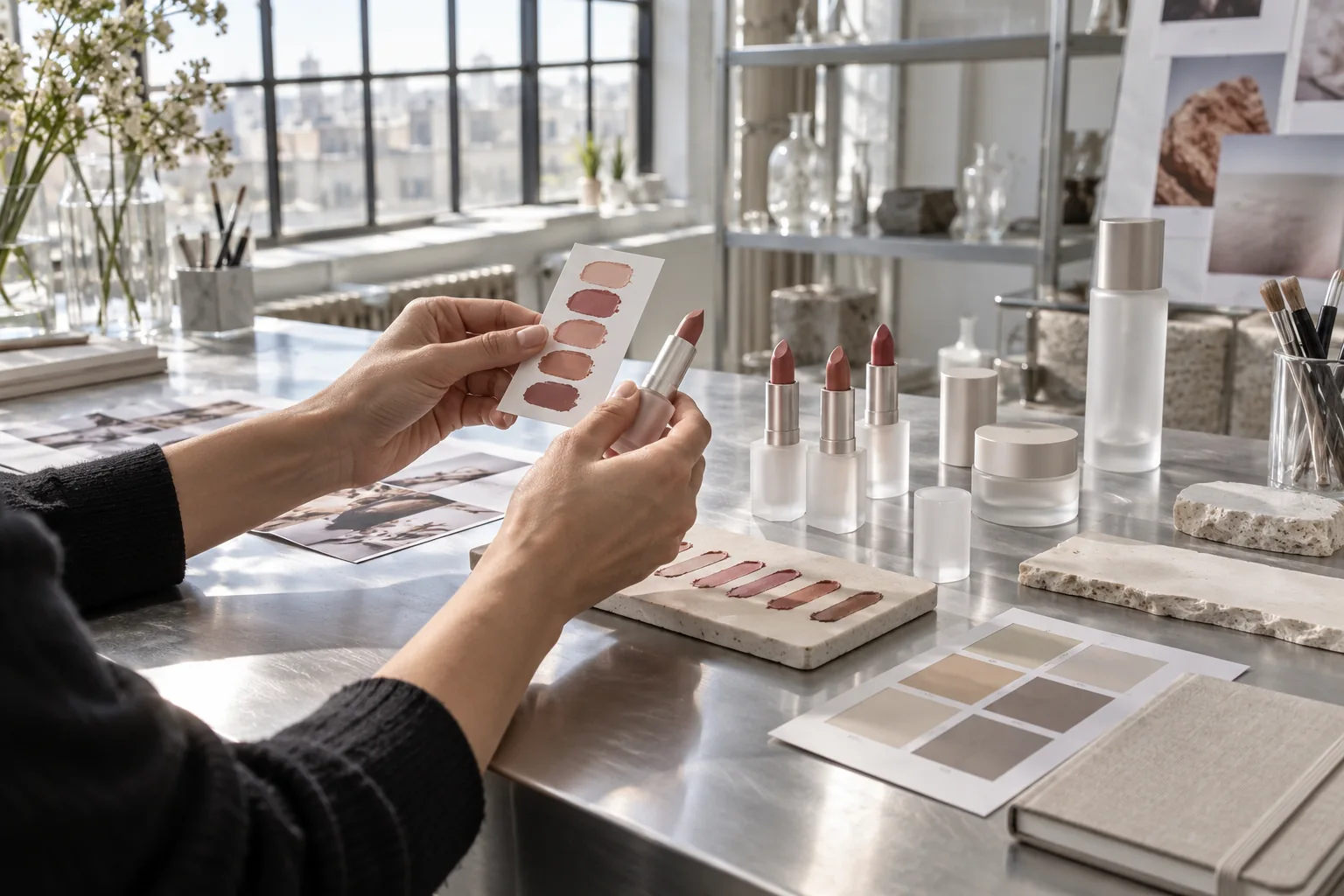
Evaluate the application.
For foundation and concealer, describe coverage, finish and application method. For lip products, compare payoff, glide and feel. For mascara or eyeliner, evaluate the applicator as part of the product. Desired performance becomes a claim only when suitable evidence supports it.
Keep the approval together.
Record the sample version, fill size, formula reference where available, shade, container and decoration. Agree which changes need another approval. A coherent reference pack helps prevent one team approving the formula while another orders a different component.
Choose a manufacturing model that fits your brief.
Private label, OEM and ODM describe different starting points. The written scope determines what a supplier will actually deliver.
- Private labelSelect an existing product platform for your own brand, with the packaging and customization the supplier supports.
- OEMDevelop against buyer-defined specifications or designs. Confirm who supplies the formula, technical brief and production requirements.
- ODMWork from supplier-developed products or designs, with agreed development and adaptation. Confirm intellectual-property rights and exclusivity.
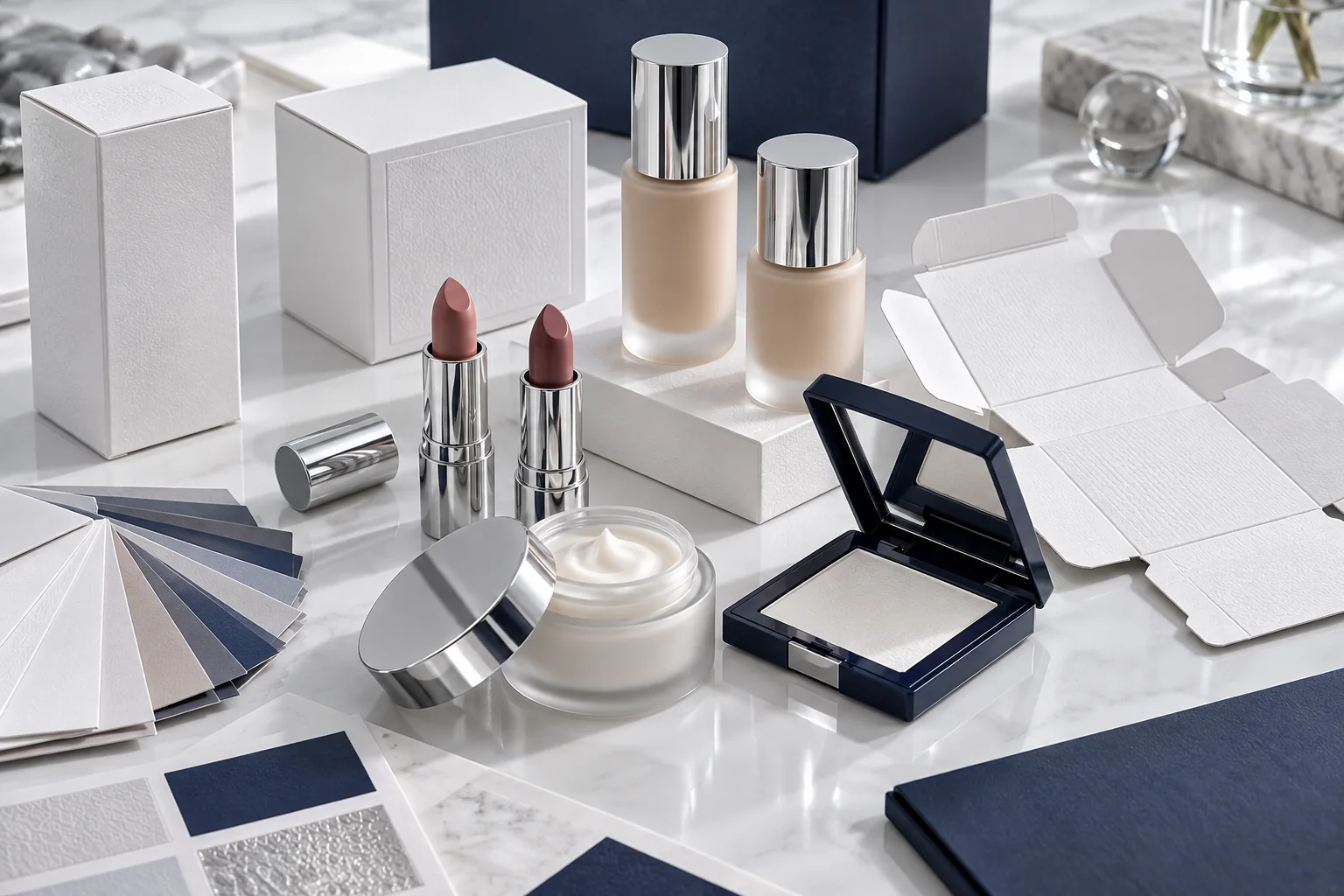
From first idea to finished product.
Each approval becomes the reference for the next stage. Agree responsibilities, costs and decision points before work begins.
01
Product concept
Define the product purpose and intended customer.
02
Market direction
Set the target country, price position and range.
03
Formula selection
Review suitable supplier products or development options.
04
Sample development
Evaluate shades, texture, finish and performance.
05
Packaging development
Confirm containers, artwork, inserts and cartons.
06
Testing & checks
Agree required assessments and evidence with specialists.
07
Production
Release the approved specification to the selected supplier.
08
Packing
Check fills, labels, sets and retail presentation.
09
Inspection
Review agreed checks against samples and specifications.
10
Export documents
Confirm records and responsibility for each document.
11
International shipping
Agree freight method, terms and delivery boundaries.
12
Delivery
Follow shipment progress and record receiving issues.
Form
The first touch.
The lasting impression.
Custom cosmetic packaging connects shelf presence, daily use and protection. Consider the complete pack, from closure to carton.
Custom cosmetic packaging, considered inside and out.
A beautiful render is a starting point. A useful packaging brief also describes how the product fills, closes, dispenses, travels and feels in the customer’s hand. Confirm packaging supplier and formula supplier responsibilities before ordering components.
| Component | Creative decisions | Practical checks |
|---|---|---|
| Lipstick tubes & applicators | Shape, finish, cap movement, wand and decoration. | Closing action, fill compatibility, applicator fit and protection against leakage or damage. |
| Foundation bottles & pumps | Bottle material, size, finish and dispensing experience. | Product compatibility, dose, closure fit, filling method and transport protection. |
| Compacts & palettes | Pan layout, mirror, hinge, magnet or clasp, surface finish. | Pan dimensions, retention, closure durability, powder protection and assembly. |
| Cartons & gift sets | Print, typography, sleeves, inserts and collection presentation. | Approved copy, dimensions, component fit, abrasion, assembly and outer-carton packing. |
Discuss stock components and custom tooling as separate options. The same visual direction can have very different development costs, minimums and schedules depending on the construction.
The packaging is part of the product.
A cap’s movement. The weight of a bottle. A shade seen through glass. Translate the brand idea into a practical packaging brief.
Enquiries can cover custom boxes, bottles, tubes, jars, compacts, palettes, labels, print finishes and colour matching. Confirm container compatibility and shipping protection alongside appearance.
Ask for artwork proofs, component specifications and decorated samples. New shapes or finishes may require tooling, additional minimum quantities or testing.
Made in China. Prepared for your market.
Supplier selection, production follow-up and export planning work best as one coordinated process. Compare the total quoted scope, including packaging, inspections, freight and responsibilities at destination.
MOEWORLDWIDE’s published services include product sourcing, production follow-up, quality-control coordination and sea or air shipping coordination. Makeup-specific development and testing are subject to supplier and project confirmation.
- Lock the specificationKeep the approved sample, shade references and packaging artwork together.
- Check consistencyAgree sampling, defect criteria, inspection stages and how results will be reported.
- Prepare the shipmentConfirm labelling, packing lists, commercial documents and destination responsibilities.
- Confirm market requirementsReview applicable rules with qualified advisers. For US planning, consult FDA guidance on importing cosmetics.
Quality control begins with a clear reference.
Cosmetic quality-control coordination should follow an agreed scope. A pre-shipment inspection can review visible product and packing characteristics; laboratory testing and safety assessment answer different questions. Set the responsibilities before the order is released.
Product appearance
Agree shade references, visible defects, fill presentation and the scope of product comparisons. Keep the approved sample available to the inspection team.
Pack performance
Define closure, dispensing, print, component fit and set-completeness checks. Review the retail pack and the export carton as separate parts of the project.
Evidence & release
Identify the exact product covered by testing or assessments, who reviews the documents and who authorizes shipment. Record how nonconformities will be handled.
Prepare the beauty brief for its destination.
The selling market can influence formula selection, claims, labels and documentation. Discuss the product with qualified regulatory specialists early enough to affect development. Requirements depend on the product, ingredients, intended use and responsible businesses.
Plan the product and the responsibilities.
Review ingredient, labelling and import questions alongside any applicable MoCRA registration, listing and other obligations. Requirements and exemptions need a product-specific assessment. FDA registration or product listing does not mean FDA approval.
Bring market requirements into development.
Confirm the responsible person, safety assessment, product information, notification and labelling work that applies to your launch. Product claims and ingredient choices need review for the actual formula and presentation.
Define each market separately.
Tell the sourcing team where the product will be sold and which languages and distribution routes are planned. Ask qualified advisers to confirm local requirements before approving the final formula, artwork and shipment documents.
What shapes a makeup quotation?
There is no universal MOQ or unit price for private label makeup. Ask for the same scope from each supplier and separate the product, shade, packaging and development quantities. That makes a comparison useful before price negotiations begin.
| Cost driver | Include in your brief | Ask the supplier |
|---|---|---|
| Product & formula | Category, fill size, performance direction and intended market. | Existing platform or new development? Which work and samples are included? |
| Shades & assortment | Quantity per SKU and shade, not just the collection total. | Which minimums apply to each shade and which to the complete order? |
| Components & decoration | Bottle, tube or compact, closure, print, finish and carton. | Stock component or tooling? Are component minimums different from filling minimums? |
| Checks & documents | Testing responsibilities, inspection scope and required records. | What is included, what is charged separately and what evidence covers this product? |
| Freight & timing | Destination, delivery terms, shipment dimensions and launch window. | Which costs and delivery boundaries are included? What approvals drive the schedule? |
Launch planning
A launch is a sequence of approvals.
Work backwards from the intended launch date. Allow time for sample feedback, packaging revisions, any required testing, production and freight. Keep decisions visible so a late artwork change does not arrive after components have been ordered.
- Before the sampleAgree the target customer, selling market, range and desired product experience. Send references with notes explaining what matters.
- Before the orderConfirm the approved product, shade references, packaging, quantities, commercial terms and quality plan. Separate assumptions from agreed specifications.
- Before dispatchReview inspection findings, required records, packing details and shipping arrangements. Confirm receiving responsibilities and keep references for the next order.
A closer look at the possibilities.
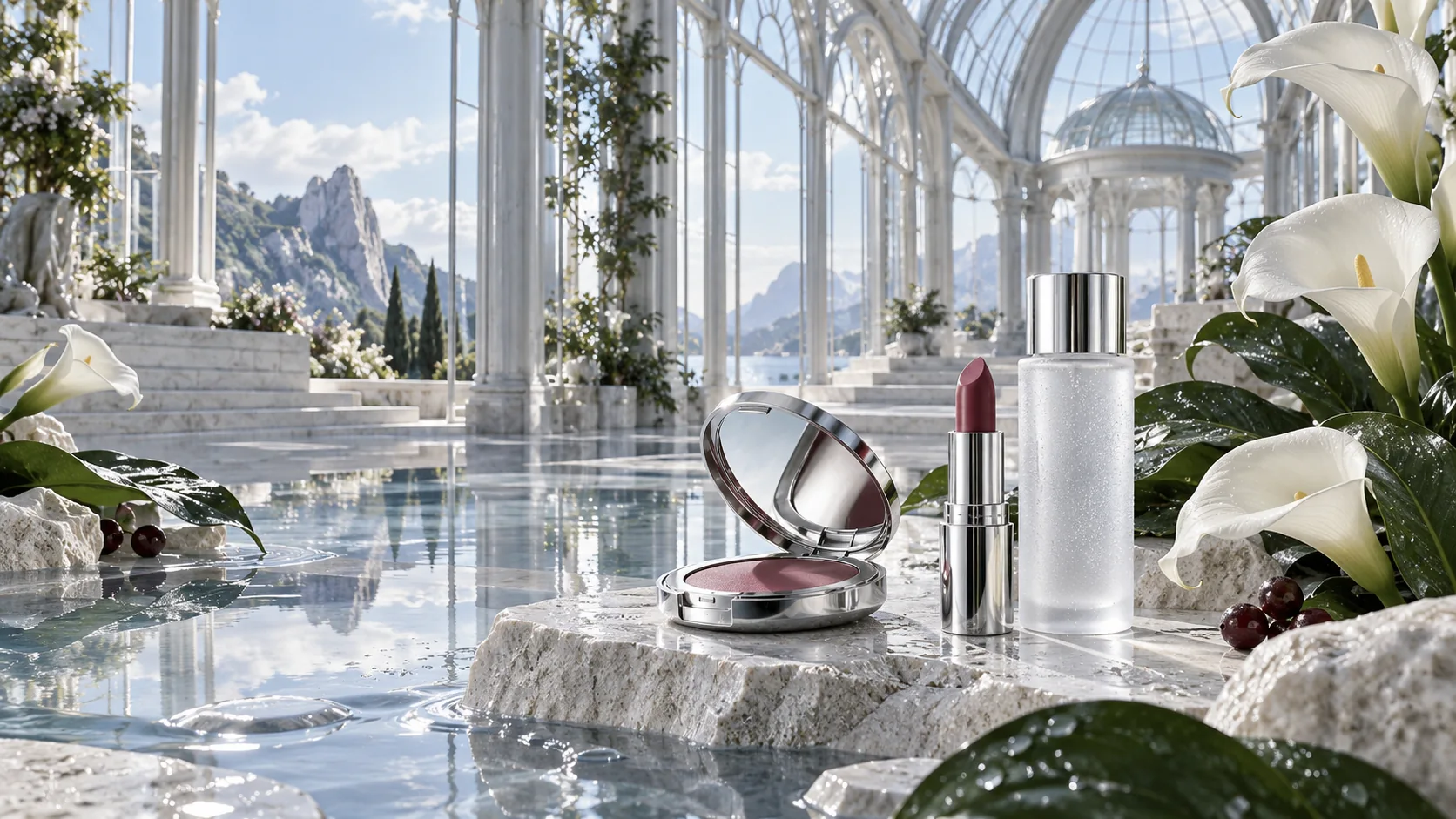
These original AI-generated studies communicate a design direction. Final formulas, packaging and product feasibility require supplier review and sample approval.
A product’s journey, in six scenes.
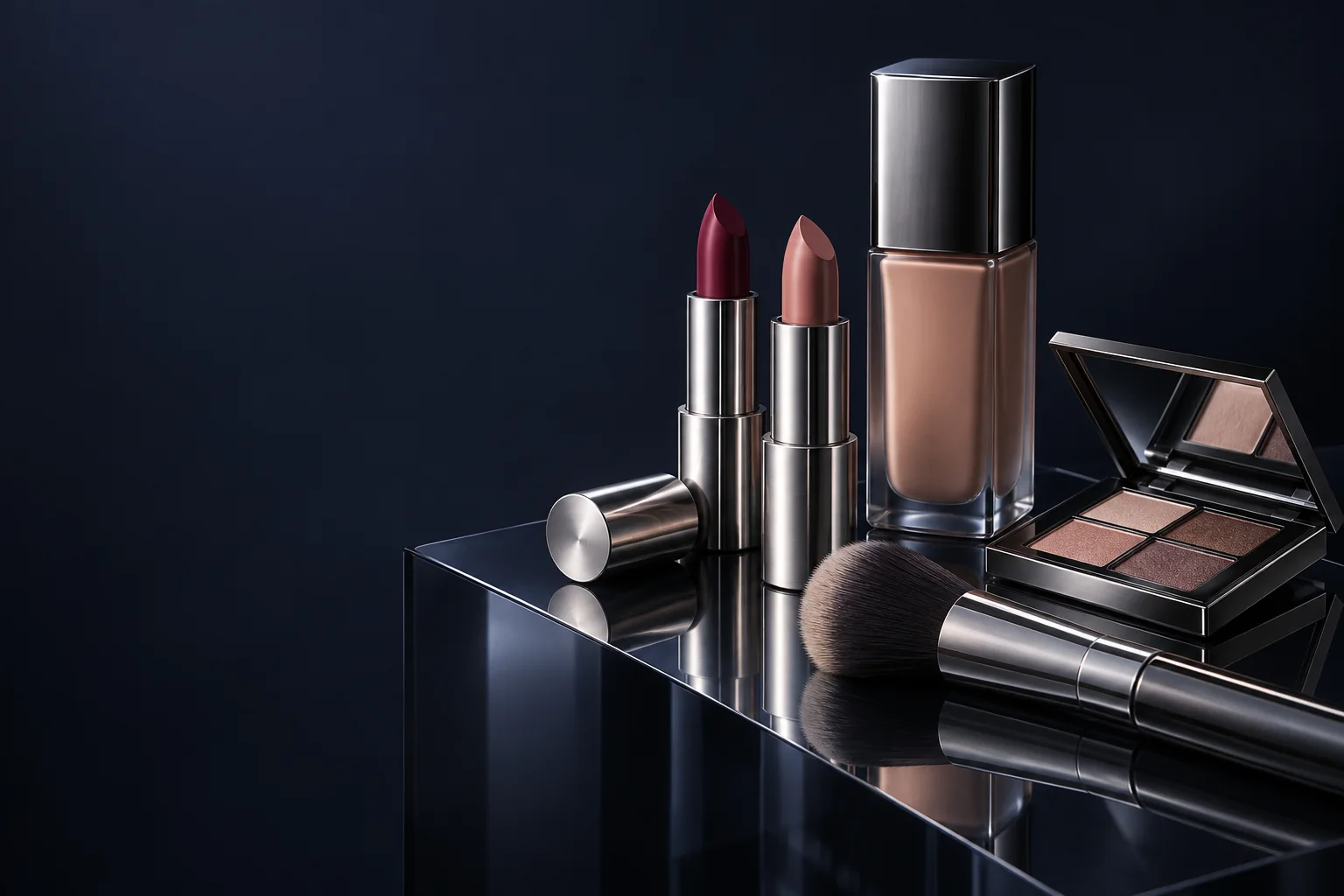
Explore the six decisions that connect a product idea to export. Select a scene to see what needs to be agreed. All imagery is conceptual.
Begin with an idea.
Define the customer, product use and range direction.
- Product concept
- Market and shade references
Make the brief tangible.
Translate the direction into samples for evaluation.
- Formula and product selection
- Documented sample feedback
Give the product its form.
Develop the container, finish and retail presentation.
- Artwork and component approval
- Compatibility and protection
Work to the approved reference.
Use the agreed product and packaging references to coordinate production.
- Approved specification
- Production follow-up
Check before dispatch.
Review results against the agreed inspection scope.
- Sample and packaging references
- Recorded findings
Prepare for the next market.
Connect documentation, packing and transport planning.
- Export preparation
- International shipping coordination
One point of coordination. A clearly agreed scope.
MOEWORLDWIDE connects the practical parts of a China sourcing project: supplier enquiries, quotation comparisons, production communication, inspection coordination and shipment follow-up. For beauty brands, that means a place to bring the product brief and clarify what support is available.
Makeup manufacturing, explained.
How do I start manufacturing makeup in China?
Start with your product category, target customer, destination market, expected quantity and packaging brief. Compare suppliers using the same specifications, then agree samples, testing, commercial terms and acceptance criteria before production.
What is private label makeup manufacturing?
Private label usually means selecting an existing supplier-developed product and selling it under your brand. Shade, decoration or packaging changes may be possible. Confirm what is already developed, what is exclusive and what requires a new sample.
What is the difference between OEM and ODM cosmetics?
In an OEM arrangement, a manufacturer works to the buyer’s agreed design or specifications. ODM uses a supplier-developed design or product platform, with agreed customization. Suppliers use these terms differently, so define formula ownership, tooling, development work and exclusivity in writing.
Can I develop a new makeup brand?
A focused first range can combine product selection, visual identity applications and packaging. MOEWORLDWIDE can discuss sourcing and coordination requirements; specialist formulation, artwork and testing support must be confirmed for the project.
Which makeup categories can I enquire about?
Lip products, complexion products, eye makeup, powders, palettes, brushes, accessories and gift sets are possible enquiry categories. A category shown here is a sourcing direction, not a stock or manufacturing-capability guarantee.
Can formulas, shades and finishes be customized?
Possible changes depend on the selected supplier, formula platform, ingredients, order volume and target market. Agree measurable requirements and review samples before treating any change as approved.
Can I customize cosmetic packaging?
Enquiries can cover bottles, tubes, jars, compacts, palettes, labels, cartons, printing and surface finishes. Confirm product-container compatibility, artwork, dimensions, decoration samples and any tooling costs.
What is the minimum order quantity?
There is no single minimum for every product. Product, shade, packaging component, decoration and tooling can each have their own minimum. Ask for a quotation that separates those quantities and costs.
How does quality control work?
Use an approved specification and reference sample, agree in-production and pre-shipment checks, and record the findings. Appearance and packing inspections do not replace any product testing or safety assessment required for the destination market.
Can cosmetics be exported from China?
Export is possible for suitable products, subject to the product, ingredients, transport conditions and destination requirements. Confirm responsibilities for documentation, labelling, testing and import clearance before placing the order.
How long will development and delivery take?
The schedule depends on sample rounds, formula or packaging changes, component availability, testing, production and freight. Request a staged schedule for your brief; no universal lead time is promised.
What should I send with my enquiry?
Send product references, desired shade range, finish or performance direction, quantity by item, target market, packaging expectations and preferred timing. Links to reference files are useful; avoid sharing confidential formulas before agreeing how they will be handled.
Can I source lipstick, foundation and eyeshadow together?
A coordinated range can be discussed, but different product types may involve different suppliers, component minimums and sampling schedules. Begin with a range matrix showing each SKU, shade, fill size, quantity and packaging direction.
What should be approved before cosmetic packaging is ordered?
Approve component dimensions, material, closure or applicator, decoration, artwork and the fit with the intended product. Confirm compatibility and testing responsibilities. Check which elements are stock components and which need new tooling.
Is FDA registration the same as FDA approval?
No. FDA cosmetic facility registration or product listing does not establish FDA approval. Confirm the obligations and any applicable exemptions for the product and responsible businesses with a qualified specialist.
How do I compare cosmetic suppliers fairly?
Give suppliers the same product specification, quantity by shade, packaging brief, destination and required scope. Separate unit prices from development, tooling, samples, inspections and freight. Review the proposed product and evidence alongside the commercial quotation.
Ready to build your next beauty product?
Share your product direction, target market and estimated quantity. Our team can review the sourcing brief and confirm the next steps.
By sending this form, you request contact about your project. Include only information needed for the enquiry.
More product possibilities
Building another kind of brand?
Product quotation checklist / Sourcing and export process / About our China sourcing team / Buyer guides