
Toy manufacturing, sourcing & export · China
Toy manufacturing.
Big worlds.
Turn a spark of imagination into a clear sourcing project. Explore original toy directions, custom development and export coordination.
For toy brands and international buyers
A world of toys. A focused sourcing brief.
For toy brands, importers, retailers, distributors and education businesses, the right starting point is a product category and a clear target market. Explore the range represented in China’s international toy trade.
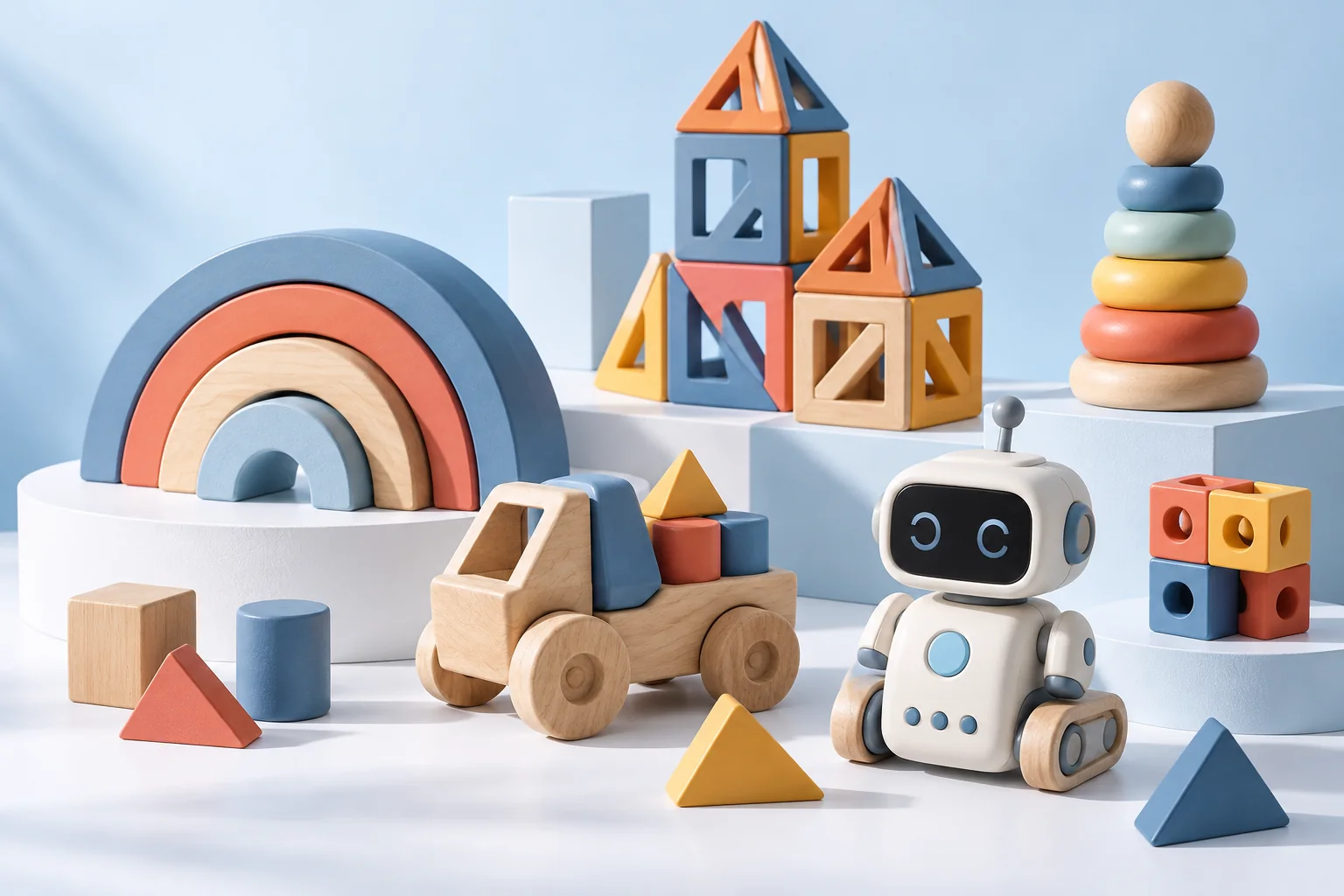
Learning through play
Educational toys, STEM and science kits, building and construction sets, wooden and bamboo toys, puzzles, baby and preschool activity toys.
- Define learning and play functions
- Confirm intended age and materials
- Agree instructions and product contents
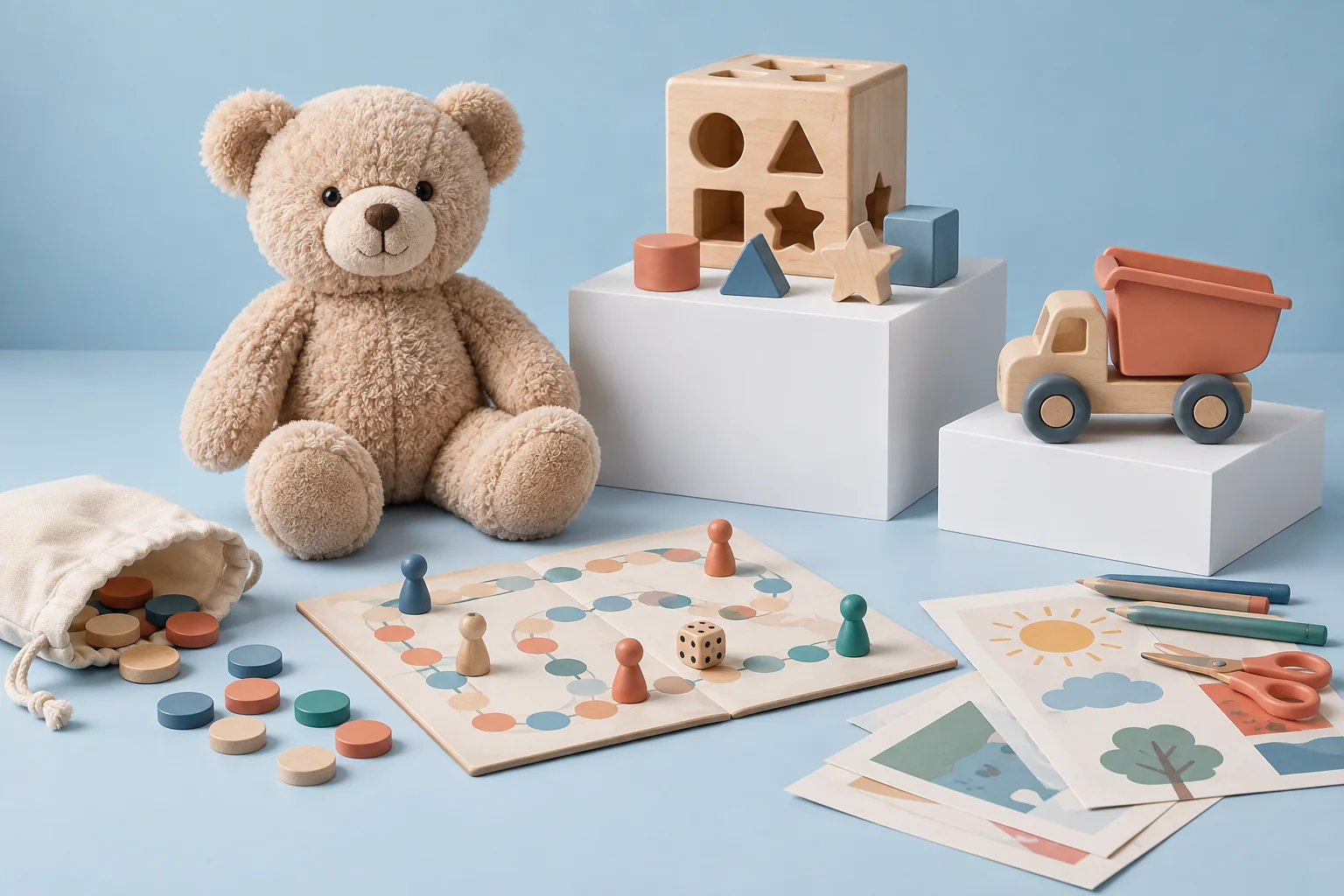
Character, texture and collectability
Plush and soft toys, dolls and accessories, pretend-play and role-play sets, action figures, collectible and designer toys.
- Use original or properly licensed designs
- Define fabrics, fillings and construction
- Confirm relevant age grading and tests
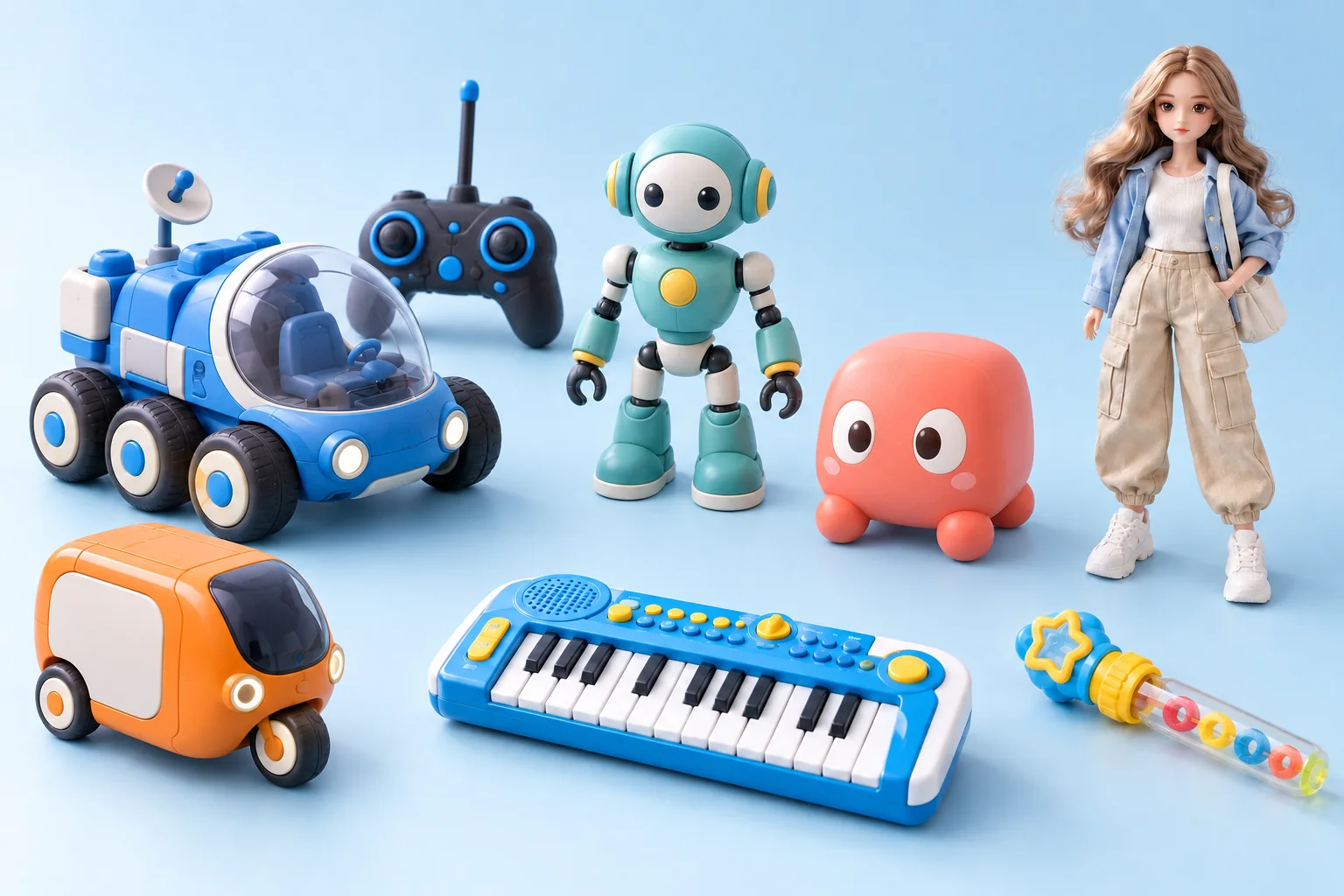
Movement, sound and interaction
Toy vehicles, diecast models, hobby toys, remote-control toys, musical toys, electronic learning products and smart toys.
- Describe mechanisms and controls
- Confirm battery and transport considerations
- Assess electronics and connected functions
Products that bring people together
Board and card games, jigsaw puzzles, arts and crafts kits, creative toys and custom activity sets.
- Specify components and piece counts
- Review rulebooks and language versions
- Test packing and repeatable assembly
Make room for active play
Outdoor toys, sports play products, bubble toys, party and seasonal toys, promotional products and custom gift assortments.
- Confirm dimensions and use conditions
- Evaluate materials and packaging
- Plan seasonal order deadlines
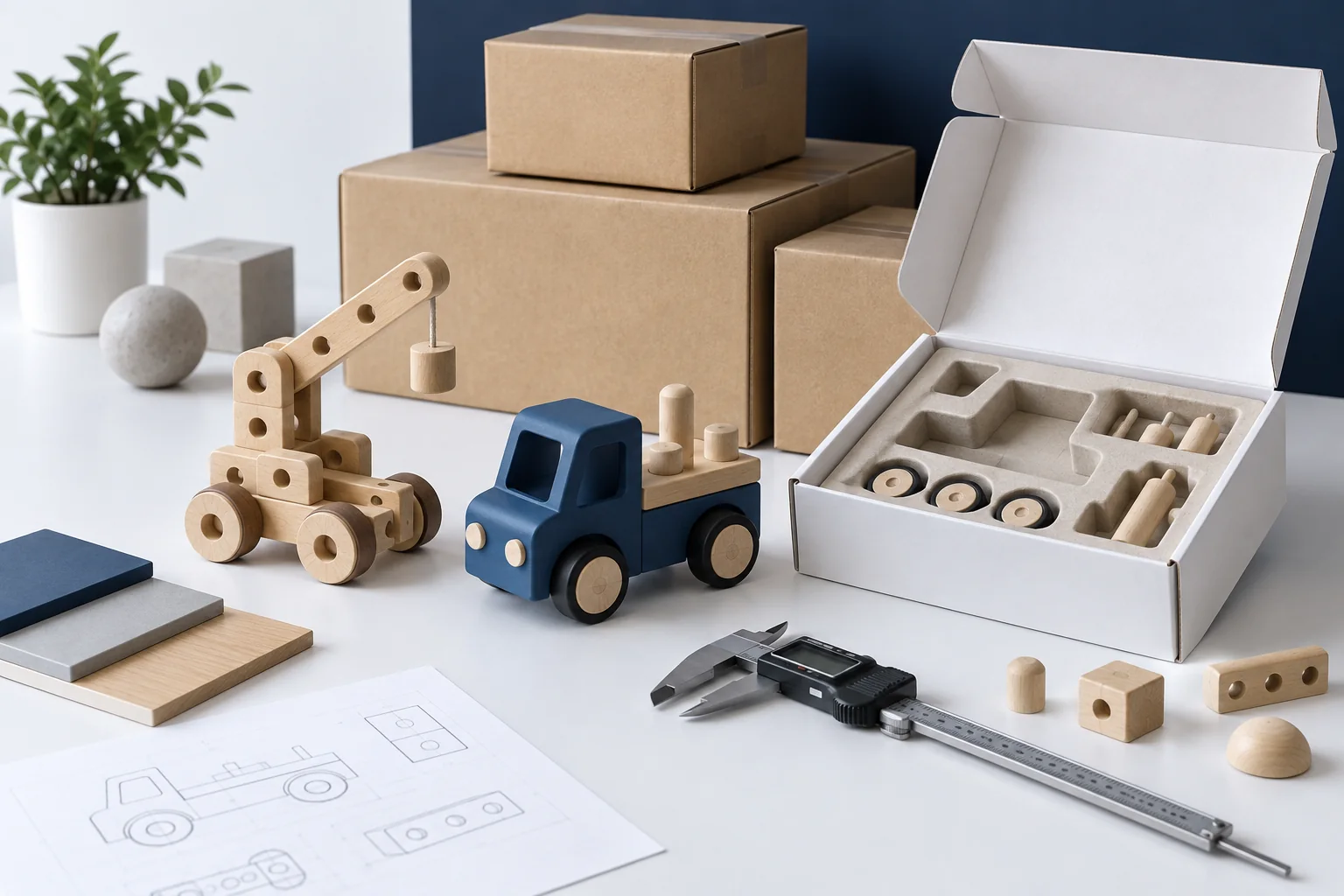
All product imagery on this page is original AI-generated concept work, not photographed inventory or evidence of safety testing.
Imagine
Room for
another universe.
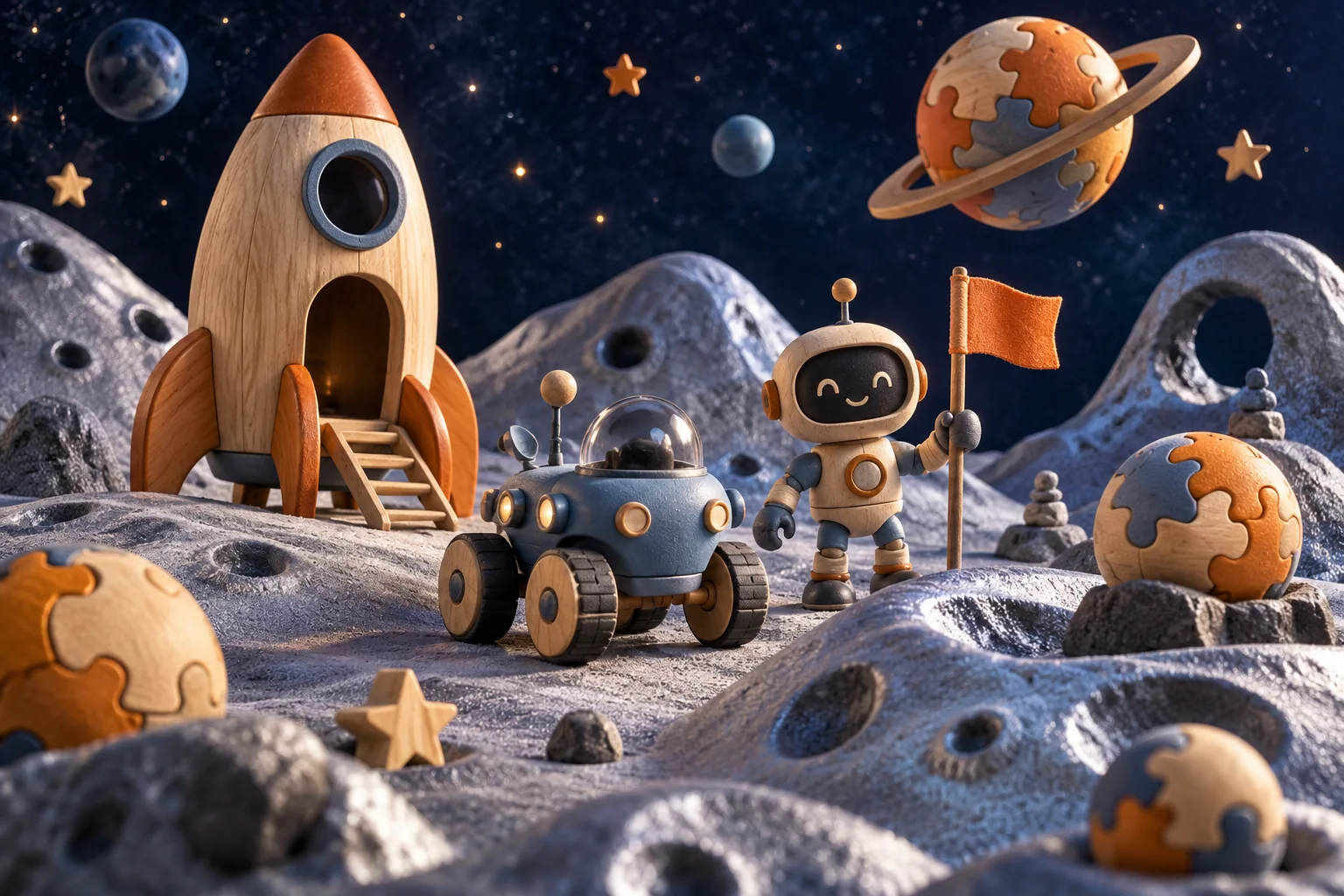
A rover, a rocket, a character with a story. Start with the play experience, then define the product, age range and development route.
Original ideas · Practical development
Custom toy manufacturing starts with how it plays.
For toy sourcing in China, a category is only the beginning. A useful brief describes what the product does, who it is for and how it will be sold. MOEWORLDWIDE can coordinate supplier enquiries and production conversations around that brief, with specialist design and testing requirements confirmed for each project.
An emerging toy brand
Choose a clear play idea and a manageable first assortment. Identify which features make it distinctive and which details can use an existing supplier platform.
An importer or retailer
Define the destination market, shelf format, assortment and retail packaging. Include carton quantities, seasonal timing and reorder expectations.
An education business
Specify the intended activities, component counts, instructions and storage needs. Describe the learning purpose without assuming that a product category proves educational outcomes.
Existing product or original idea?
Choose the level of development your project needs. Each route has different sampling, cost and production implications.
Source a product
Compare existing designs against an agreed product brief. Review materials, sample quality, unit costs and packing before choosing a supplier.
Make it your brand
Explore private label, colour changes, branded packaging or assortment development where the supplier supports them.
Develop to your design
For OEM enquiries, define drawings, dimensions, mechanisms, materials and functional requirements. Confirm tooling ownership and development milestones.
Adapt a supplier concept
For ODM enquiries, establish which supplier-developed features can be changed. Agree design rights, sample revisions and any exclusivity separately.
Materials shape the play experience.
Wooden toys, plush toys, plastic toys, games and electronic toys have different construction and assessment needs. Use the material direction to make supplier comparisons more precise, then confirm the actual specification through samples and product-specific evidence.
| Product direction | Specify early | Review through samples |
|---|---|---|
| Wooden & construction toys | Material species or grade, dimensions, joints, surface finish and colour. | Fit, edges, finish consistency, mechanisms and component counts. |
| Plush & soft toys | Fabric, filling, stitching, embroidery, attachments and dimensions. | Feel, seam construction, attachment details and consistency with the approved sample. |
| Moulded & collectible toys | Material, wall and component construction, decoration and tooling. | Assembly, colour, finish, moving parts and agreed dimensional tolerances. |
| Games, puzzles & craft sets | Piece count, card or board stock, print, rulebook and language. | Completeness, fit, print readability, assembly and packing sequence. |
| Electronic & remote-control toys | Functions, power source, controls, charging and included accessories. | Agreed functional checks, product-specific testing scope and battery transport information. |
Character
A little character.
A lot of possibility.
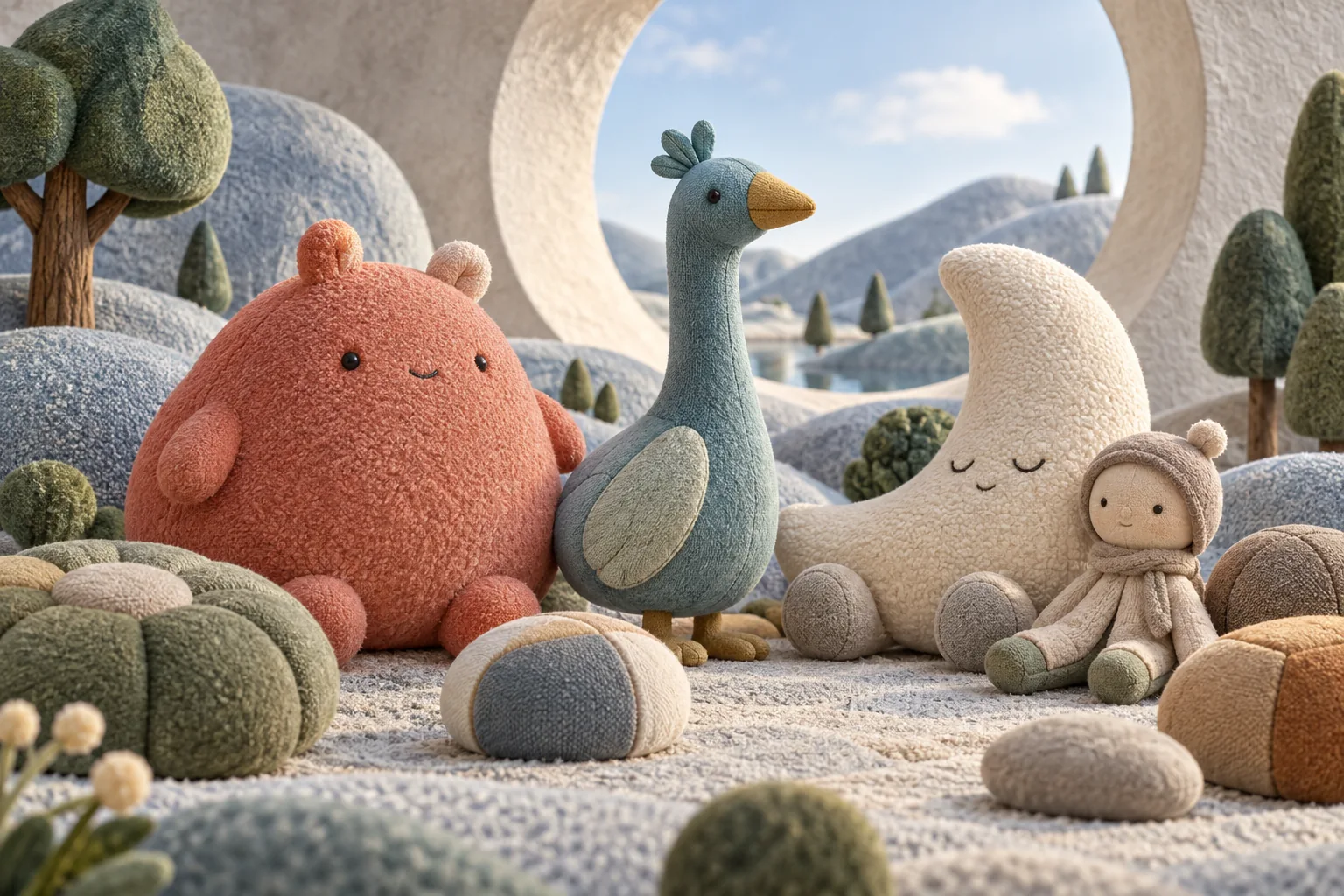
Shape, texture and a distinctive silhouette can build a collection. Use original artwork and confirm design rights before development.
Design, sample and refine
Make the idea tangible.
Toy product development connects the creative concept with construction, repeatable assembly and a clear approval process.
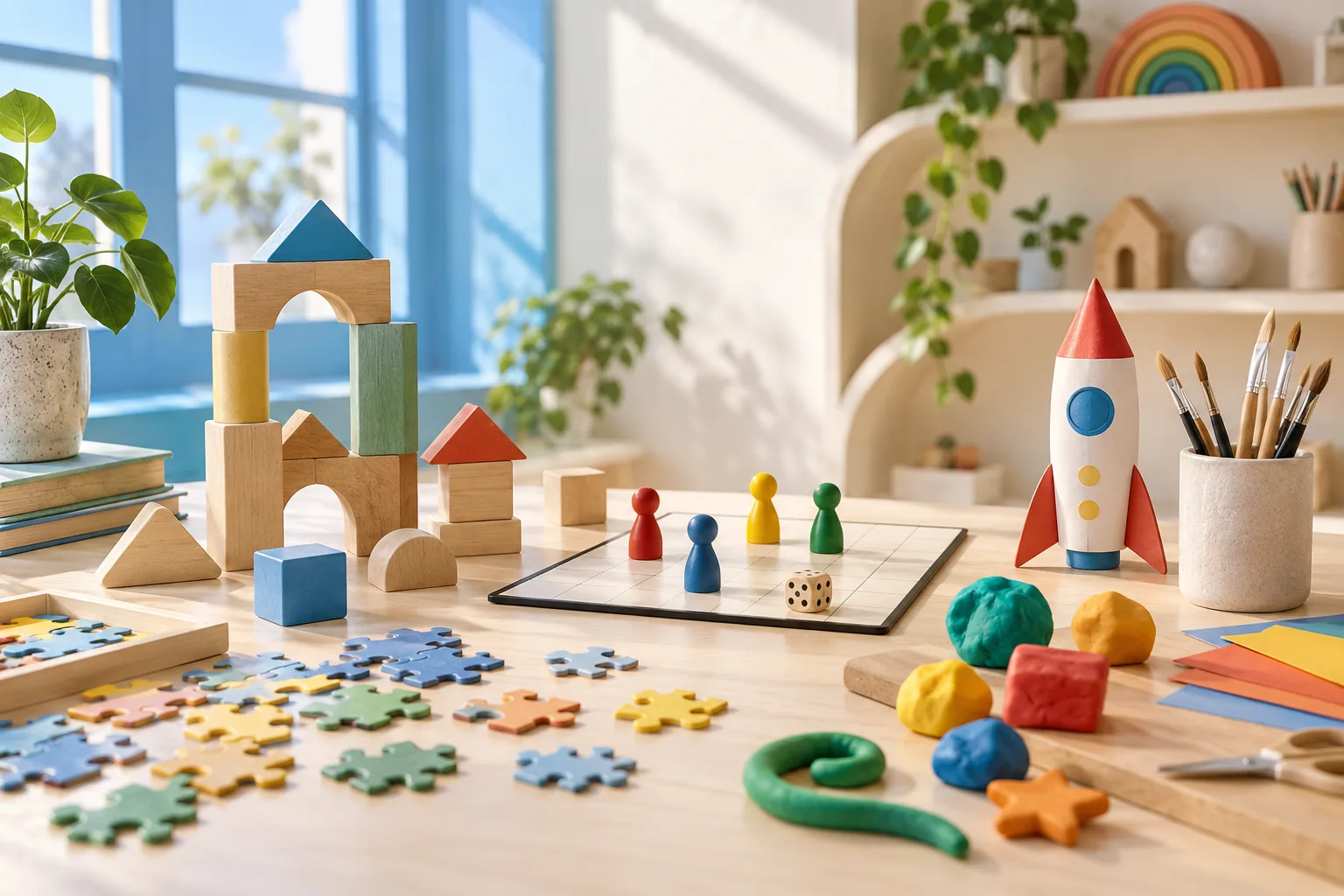
Describe the play, not just the appearance.
Explain the interaction, intended age range, dimensions and component contents. For board games and puzzles, include rules and piece counts. For STEM and educational toys, describe the intended activity and what is supplied in the box.
Build an approval reference.
Compare prototypes or samples with the agreed drawings, materials and functions. Record requested revisions and sample versions. Decide whether a change to construction, decoration or materials requires another review or assessment.
Protect the original idea.
Confirm design rights, authorized artwork, tooling ownership and permitted use of any licensed material. For OEM toy manufacturing, put development milestones and responsibilities in writing before commissioning tools or production.
Your supply chain, step by step.
Use each milestone to resolve a decision before it becomes a production issue. Select a stage below for the working brief.
01
Idea
Define the play purpose and intended customer.
02
Product selection
Compare suitable products and supplier options.
03
Customization
Agree branding, materials, colours and functions.
04
Sample
Evaluate the product and record requested changes.
05
Quality plan
Confirm age grading, testing needs and checks.
06
Production
Work from the approved sample and specification.
07
Packaging
Approve retail presentation and carton protection.
08
Inspection
Review findings and resolve agreed issues.
09
Export
Prepare documents and confirm freight terms.
10
Delivery
Follow the shipment and check goods on receipt.
Write the brief once.
Define the product, intended age range, target market, dimensions, materials, functions, expected volume and packaging. Flag electrical parts, magnets, batteries or other features that need specialist evaluation.
Record the approvals.
Keep a signed-off sample reference, drawings, bill of materials where available, colour standards, artwork, testing responsibilities and acceptance criteria. Confirm which changes trigger another sample or assessment.
Close the open questions.
Review inspection findings, packaging, carton counts, required product documents, freight conditions and responsibilities for import clearance. Obtain product-specific evidence rather than relying on a general supplier certificate.
Quality & safety
Build the checks into the brief.
A toy’s intended user, materials and play function shape its assessment. Identify destination-market requirements early enough to influence design and supplier selection.
Confirm applicable regulations and testing with qualified specialists for your product and market. Inspection and compliance assessment serve different purposes.
- Age & useAgree the intended age range, foreseeable use and warning requirements.
- Materials & constructionDocument materials, components, mechanisms and critical dimensions.
- Testing & evidenceConfirm applicable tests, laboratory scope and the exact product covered by each report.
- Packaging & traceabilityReview labels, language, instructions, product identification and carton information.
- Inspection & documentationDefine checks, record results and confirm documentation before dispatch.
Create
Ideas that bring
people together.
From puzzles and board games to creative activity sets, consider every piece, every instruction and the moment the box is opened.
Toy packaging does more than look good.
Retail packaging introduces the play experience. It also organizes the contents, supports handling and carries the information needed for the selling market. Confirm the full assortment and the packing sequence before final artwork approval.
Shelf & unboxing
Define the box format, product visibility, insert and opening sequence. Check that the contents fit the approved layout and that the presentation matches the intended retail channel.
Instructions & identification
Confirm languages, component lists, use instructions and market-specific information with qualified specialists. Product identification and traceability should remain consistent across the agreed records.
Export cartons
Agree unit quantities, carton dimensions, protection and shipment markings. Review packing for the actual product and freight route, including separate battery considerations where applicable.
From China to your next market.
Connect supplier communication, production follow-up, quality-control coordination and freight planning through MOEWORLDWIDE’s China sourcing service.
Export scope depends on the product and destination. Confirm freight method, packing dimensions, declared goods, battery details where applicable and the delivery boundary. Costs and timings should be agreed for the actual shipment.
What belongs in a toy supplier quotation?
Compare the same product, materials, decoration, packaging and inspection scope. A low unit price is difficult to assess if tooling, samples, batteries, accessories or freight are missing from the quotation.
| Decision | Brief information | Quotation question |
|---|---|---|
| Design & development | Existing model, private label adaptation or original design. | Which sample rounds and development stages are included? |
| Tooling & ownership | Drawings, moulds, patterns and agreed design rights. | Who owns the tools, where are they held and what is included in the tooling charge? |
| Order quantities | Units by design, colour, size and assortment. | Does each variation have its own minimum? What changes on a repeat order? |
| Product evidence | Destination, intended age, materials and functions. | What testing or assessment is needed, who arranges it and what exact product does it cover? |
| Packing & delivery | Retail format, outer carton, destination and delivery terms. | Are instructions, inserts, export packing, inspections and freight included? |
Order planning
Plan the first order. Think about the second.
A repeatable toy range needs more than a successful first sample. Keep the approved drawings, materials, decoration, packaging and inspection criteria together. Record changes between orders so a new colour or accessory does not silently change the specification.
- A useful first briefSend product references, the play function, intended age, destination market, quantity by item and target timing. Explain what is essential and what can be adapted.
- A clear production releaseConfirm the final sample, agreed scope, payment and delivery terms, testing responsibilities and acceptance criteria before production begins.
- A practical reorder recordKeep supplier references, product versions, artwork and receiving feedback. Use the same record to assess future variations and supplier proposals.
Original concepts. Commercial possibilities.
The concepts draw on researched toy categories and avoid branded characters. Exact construction, materials, supplier feasibility and intellectual-property rights must be reviewed before development.
Toy sourcing questions, answered.
What kinds of toys can be sourced from China?
China’s toy trade includes building sets, educational toys, plush toys, dolls, collectibles, model vehicles, electronic and remote-control toys, wooden toys, baby toys, games, puzzles, outdoor play and party products. These are industry categories; MOEWORLDWIDE assesses supplier availability for each enquiry.
Can I develop a custom toy or private-label range?
Depending on the selected supplier, options may include branding an existing product, adapting colours or packaging, or developing to a new specification. Tooling, product design, sample work and intellectual-property ownership need a written agreement.
How do OEM and ODM toy projects differ?
OEM generally starts from the buyer’s design or specification. ODM starts from a supplier-developed product or design that may be adapted. Ask exactly which design, tooling and development responsibilities are included rather than relying on the label alone.
What should a toy sourcing brief include?
Include the play function, intended age range, target market, dimensions, material direction, estimated order quantity, packaging and product references. Note electrical, battery, magnet, small-part or other features that require specialist review.
Are the toy images actual products for sale?
The images are original AI-generated product concepts. They illustrate category and presentation ideas and are not a catalogue, proof of testing or a promise that a supplier can manufacture an exact design.
What are the minimum quantities and lead times?
They vary with product construction, tooling, materials, decoration, packaging and the selected manufacturer. Ask for quantities by design and colour and a schedule covering samples, testing, production and freight.
Who confirms toy safety and testing requirements?
Buyers should confirm the requirements for their destination and intended age group with qualified testing or regulatory specialists. Agree responsibilities and obtain evidence specific to the product and production scope. A visual inspection alone does not establish compliance.
Can you arrange product samples and pre-shipment checks?
Sample enquiries and quality-control coordination can be discussed as part of the sourcing scope. Confirm sample charges, inspection method, acceptance criteria, reporting and how any nonconformities will be resolved before shipment.
Can retail and export packaging be customized?
Discuss retail cartons, inserts, instructions, branding, assortments and outer-carton protection. Confirm language, warnings, traceability information and other market-specific packaging requirements before artwork approval.
How are toys exported from China?
The general route is supplier selection, agreed specification, samples, production, inspection, packing, export documentation and international freight. Transport options and import requirements depend on the goods, batteries if any, destination and agreed delivery terms.
Can I enquire about wooden, plush and educational toys?
Yes, these are useful enquiry categories. Send the intended play function, age range, materials, target market and quantity. Supplier suitability and available development support are reviewed for the actual brief.
Can I use my own character for a plush toy or collectible?
An original or properly licensed design can form the basis of an enquiry. Confirm the rights to use the artwork, define construction and dimensions, and agree sample work, tooling or patterns and ownership before development.
What changes when a toy includes batteries or electronics?
The brief should identify the power source, functions, charging method, controls and included accessories. Product assessment and shipping requirements need to be checked for the specific design, batteries and destination.
What helps a repeat toy order stay consistent?
Keep the approved sample version, drawings, materials, decoration, packaging and inspection criteria together. Record any supplier changes and decide whether they require another sample, assessment or approval.
Let’s put your toy idea into motion.
Share your product direction, target market and estimated quantity. Our team can review the sourcing brief and confirm the next steps.
By sending this form, you request contact about your project. Include only information needed for the enquiry.
More product possibilities
A different world of product development.
Product quotation checklist / Sourcing and export process / About our China sourcing team / Buyer guides