
Retail & office electronics
Source barcode scanners from China
Barcode scanner sourcing starts with the codes to read, the goods or screens holding them and the working distance. Compare wired, handheld wireless and presentation models with the buyer's real barcodes and host software. Check speed, error handling, hygiene and report modes by exact SKU.
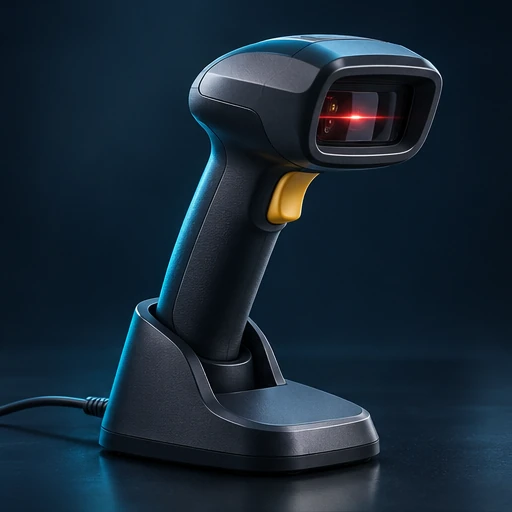
Barcode Scanners by application
Choose the format that fits your buyer’s environment, operating requirements and support plan. Use the exact model identifier in every quotation and sample request.
Wired handheld scanner
Test keyboard or serial input and trigger with the intended terminal and labels.
Wireless warehouse scanner
Compare range, cradle, battery, drop evidence and buffering during disconnect.
Counter presentation scanner
Define scan position, direction, codes on screens and automatic sensing.
Inside and outside the product
Explore the enclosure, interfaces and internal assembly. Open each component to see what it does and which design details affect sourcing.
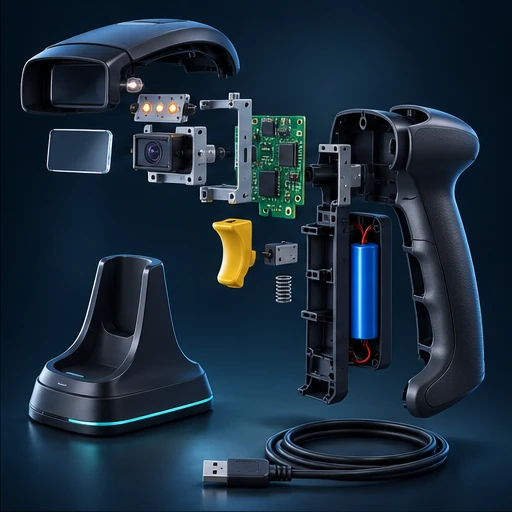
Optical window
Lets illumination and image light pass, while also protecting internal optics.
Light source and sensor
Illuminate and capture codes. Settings and distance affect contrast and usable detail.
Decoder board
Reads supported barcode types and formats data for the host.
Trigger, mount and grip
Determine operation and hands-free or handheld stability.
Communication and power
USB, serial interface, radio, battery or cradle connect and power the device.
Barcode Scanners specification table
Ask each supplier to state a proposed value, supporting evidence and any deviation for the exact model it quotes. Measure samples under the same operating conditions before confirming the final configuration.
| Parameter | Specify or request from the supplier |
|---|---|
| Code types | List symbologies, minimum density, screen or print, contrast and damaged examples. |
| Working distance | State range by code size, angle, background light and scan pace. |
| Host | Verify operating system, connection, interface mode, prefix, suffix and data encoding. |
| Power and durability | Define cable, cradle, battery, recharge and expected drops or exposure. |
| Despliegue | Specify country radio version, cleaning, mounting and accessory count. |
| Service | Confirm firmware settings, backup and reset, replacement leads and stock. |
Compare the offer line by line
Quote cradles, batteries, mounts and replacement cables separately. Agree no-read defect criteria and how configuration profiles are supported.
Record unit price, minimum order by configuration, sample cost, lead time and quoted handover terms. Use the China import quotation checklist to compare the cost and inclusions of each offer.
From sample to shipment inspection
Agree the sample, test method and acceptance limits before releasing a production order. Build the report around the product’s expected use and the components that can change between lots.
Real product trial
Use varied codes and packaging at expected distances, including screens, curved labels and low contrast. Test input and reconnect.
Factory pilot
Lock optical module, firmware, cable or receiver and validated host data settings.
Lot inspection
Check lens windows, grip, cradle or cable. Scan representative 1D and 2D codes and verify carton parts.
See how supplier selection and inspection coordination fit into the MOEWORLDWIDE sourcing process.
Documentation, packing and export
Document review
Review electrical and radio evidence by exact configuration, and battery documents where fitted. Match scanning claims to code type and size, lighting and test distance.
Freight and carton details
Protect the optical window and keep paired receivers, cradle and cables in a common SKU. Document installed batteries and spare stock by carton.
Confirm the commercial invoice, packing list, delivery term, cargo handover and any destination-specific documents with the parties responsible for the shipment.
Request a sourcing quote for barcode scanners
Share the details below so MOEWORLDWIDE can compare offers on the same scope, including the supplied configuration, documentation, inspections and delivery terms.
- Application and market. Identify the wired handheld scanner, wireless warehouse scanner or another configuration you are evaluating, and name the destination country and receiving city or port.
- Product specification. Include your target values for code types, working distance, host and attach a current drawing, reference unit or datasheet if available.
- Order and packaging. List quantity by model, trial order size, likely repeat volume, required pack languages, accessories and target delivery date.
- Evidence and terms. List required reports, sample approvals, inspection scope, warranty expectations and preferred freight handover point.