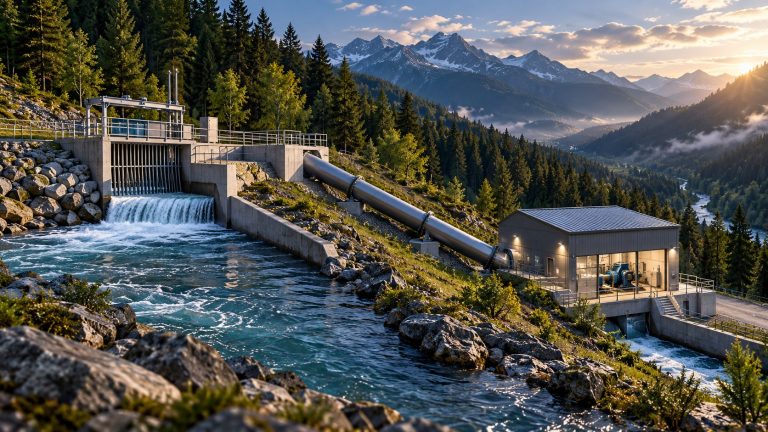
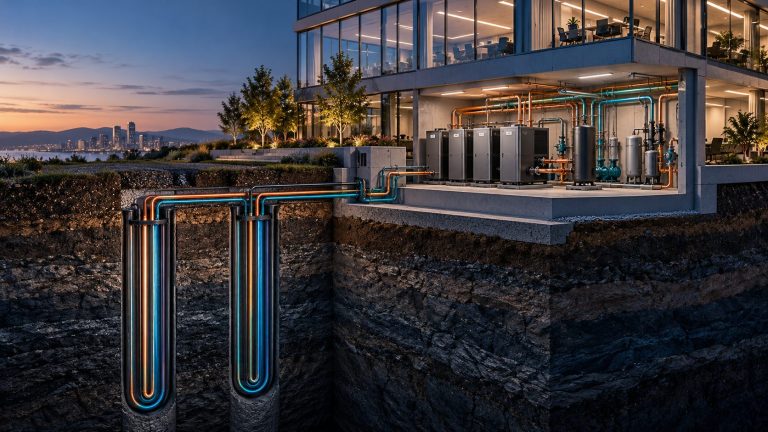
AI-generated concept illustration of solar, wind and hydroelectric infrastructure

MOEWORLDWIDE · Energy sourcing

Renewable energy equipment.
A clearer path from specification to shipment.

Bring a defined energy project to the right sourcing conversation. Explore equipment, compare technical requirements and prepare a detailed procurement brief for China-based supplier assessment and international shipment planning.

AI-generated concept imagery · Illustrative infrastructure, not a MOEWORLDWIDE facility or completed project.

Procurement with perspective

Start with the project. Define the equipment.

Renewable energy equipment sourcing from China involves more than finding a product with the right nameplate rating. A useful comparison aligns operating conditions, component interfaces, supplier documents, acceptance tests and the complete landed supply scope.

MOEWORLDWIDE's existing services cover product sourcing, supplier communication, inspection coordination and international shipping coordination. For renewable energy enquiries, confirm the applicable service scope, technical review responsibilities and supplier capability before treating a category as an established supply offer.

For developers, EPC contractors, distributors, utilities, industrial buyers and public procurement teams. Specialist engineering, certification, installation and permitting remain separate responsibilities unless specifically contracted with qualified providers.

See the system, not just the component

How energy equipment connects

Explore the generation-to-use pathway. Open each stage to review its sourcing interface.

Generation

The renewable resource drives the selected generation technology.

Conversion

Inverters, generators, heat exchangers or process equipment condition useful output.

Controls + protection

Monitoring, safety functions and electrical or thermal protection supervise operation.

Grid / end use

Electrical, thermal or process interfaces must meet the project requirements.

Storage is an enabling branch: Where relevant, a compatible storage system connects through suitable power conversion and controls; it is not a generation source.

Illustrative system boundaries. Expand or collapse each stage for detail. Final equipment interfaces require project engineering.

Procurement intelligence · six energy technologies

One sourcing framework. Six distinct engineering disciplines.

Renewable energy procurement connects a technical design to an equipment supply chain. Start by choosing the technology and defining the project boundary; then compare suppliers on documented capability, compatible equipment and agreed handover requirements.

01Project definition02Supplier qualification03Quality control04Export handoverRESOURCE / INPUT → CONVERSION → CONTROL → USEFUL OUTPUT
Original conceptual equipment visualization. The shapes identify procurement interfaces; they are not product drawings, performance data or evidence of a supplied installation. Read the detailed stages below on any screen size.
Photovoltaics · power conversion · balance of system

Solar Energy equipment sourcing →

Start with roof condition, ownership, usable area, shading and daytime electricity demand. Resolve structural loading and roof access before finalizing module layout. Coordinate inverter locations, cable routes, isolation, metering and export permissions with the electrical designer. A module price alone does not represent the complete installed cost.

Explore the dedicated technical dossier, application routes, supplier evidence schedule, project risks and terminology before preparing your enquiry.

Resource assessment · rotating equipment · service access

Wind Energy equipment sourcing →

A small turbine still needs a credible wind resource, appropriate hub height and clear access. Buildings and terrain can create turbulence that a simple average wind-speed figure conceals. Establish noise, planning, electrical connection and local maintenance requirements before choosing a machine.

Explore the dedicated technical dossier, application routes, supplier evidence schedule, project risks and terminology before preparing your enquiry.

Water resource · hydraulic duty · electromechanical package

Hydroelectric Energy equipment sourcing →

Review seasonal flow, environmental flow obligations, sediment and the usable head before selecting machinery. Define the intake, screening, desander, penstock and powerhouse interfaces. Water availability over the year matters more than a single favorable flow measurement.

Explore the dedicated technical dossier, application routes, supplier evidence schedule, project risks and terminology before preparing your enquiry.

Thermal loads · ground exchange · resource-led engineering

Geothermal Energy equipment sourcing →

Begin with building heating and cooling loads, distribution temperatures and operating hours. Assess ground thermal properties and the proposed loop arrangement. Select heat-pump performance at the actual entering-water conditions, with pumping energy and long-term ground balance considered.

Explore the dedicated technical dossier, application routes, supplier evidence schedule, project risks and terminology before preparing your enquiry.

Feedstock specification · process route · useful energy

Biomass Energy equipment sourcing →

Define fuel origin, moisture, particle size, ash and contaminants using representative samples. Specify useful heat or steam duty, operating hours and the emissions basis. Review fuel handling, combustion, ash removal and treatment equipment as one process rather than purchasing a boiler in isolation.

Explore the dedicated technical dossier, application routes, supplier evidence schedule, project risks and terminology before preparing your enquiry.

Marine resource · survivability · deployment and recovery

Ocean Energy equipment sourcing →

Provide current distribution, turbulence, water depth, bathymetry and seabed information. Coordinate rotor, foundation or mooring, subsea electrical interfaces and vessel access. Evaluate energy capture together with extreme loading, retrieval and maintenance requirements.

Explore the dedicated technical dossier, application routes, supplier evidence schedule, project risks and terminology before preparing your enquiry.

A decision framework for buyers

Compare the project, not just the equipment price

Define useful output

State whether the project needs electricity, heat, cooling, steam, prepared fuel or a replacement component. Record operating hours, demand profile and the connection boundary. Rated equipment power does not establish annual output, site suitability or project economics.

Confirm the resource

Solar irradiation, wind distribution, water flow and head, ground conditions, feedstock properties and marine conditions require different evidence. Use project data and appropriate professional assessments. A technology category alone cannot identify a suitable model or supplier.

Set the delivery boundary

Identify what is included in equipment sourcing, supplier assessment, inspection coordination and export arrangements. List civil works, local installation, permits, commissioning and after-sales duties separately. Confirm the final scope and commercial responsibilities in writing.

From initial enquiry to a comparable quotation

Prepare one revision-controlled brief for every shortlisted supplier. Include the destination, application, equipment schedule, quantities, operating conditions, interface drawings and required documents. Ask each supplier to identify conformity, deviations, exclusions and information still needed. This makes quotation comparison more reliable than exchanging unrelated catalog pages.

Separate the manufacturer's claims from verified evidence. Check that reports identify the offered model, that certificates match the stated manufacturing entity, and that drawings describe the actual supply boundary. Ask how serial traceability, component substitutions and inspection records will be controlled during production.

Quality planning, shipment and service continuity

Agree an inspection and test plan with measurable acceptance criteria, witness points and a process for closing nonconformities. Identify who may release equipment for shipment. Keep packing, preservation, transport insurance and damage reporting in the same document register as the equipment schedule, so commercial and technical teams work from consistent information.

Request a handover package covering final drawings, operating manuals, spare-parts identifiers, maintenance requirements and the service escalation process. For specialist or emerging technology, examine operating evidence and service access before assuming a commercial supply route exists. Availability, warranties and delivery dates must be confirmed by the responsible parties.

Build an evidence-based landed-cost model

Compare equipment cost, inspection, packing, transport, insurance, destination handling, local taxes, installation, commissioning, consumables and initial spares. Record what each quotation excludes. Any lifecycle calculation should state its operating assumptions, maintenance intervals, downtime treatment and uncertainty; it should not be presented as a guaranteed return.

Continue with our China import quotation checklist, China sourcing and export process, company information and contact options. For independent background, consult the U.S. Energy Information Administration's renewable energy overview.

Discuss your renewable energy sourcing brief →


Built around the buying decision

Choose your procurement pathway

Distributors

Define product families, destination-market documentation, repeat-order consistency and a manageable spare-parts range. Compare supplier continuity and after-sales responsibility alongside unit pricing.

Developers and utilities

Start with resource data, project stage and an engineer-approved design basis. Identify which suppliers can support the required scale, documentation, acceptance tests and long-term operating model.

EPC contractors

Issue a coordinated bill of materials with drawings and interface schedules. Allocate design, installation, commissioning and performance-test responsibilities before comparing equipment packages.

Industrial and public buyers

Set the duty profile, procurement rules and evidence required for acceptance. Include installation access, operator training, maintenance, environmental approvals and total operating cost in the assessment.

A transparent working sequence

From requirements to shipment planning

01 / Requirements

Define the destination, technology, duty, quantities, interfaces and acceptance requirements.

02 / Supplier assessment

Check identity, manufacturing scope, relevant experience and ability to support the actual project.

03 / Technical comparison

Compare equivalent specifications, exclusions, documents, service arrangements and commercial terms.

04 / Inspection coordination

Agree inspection scope, timing, sample checks, witness points and the response to nonconformities.

05 / Export coordination

Confirm packing, shipping documents, delivery terms, freight scope and destination responsibilities.

The sequence describes a proposed coordination workflow. Confirm the services available, fees, decision authority and deliverables in writing before engagement.

Technical due diligence

Documentation that belongs to the product.

Request the exact model, revision and manufacturing scope covered by each datasheet, test report or certificate. Independently check issuers, validity and the relationship between the submitted evidence and the goods offered. A logo or generic certificate is not proof of destination-market acceptance.

Set measurable acceptance criteria, traceability requirements and a documented treatment of deviations. Define who approves technical substitutions and who accepts inspection results.

Destination-market requirements

Plan the approval route before purchase.

Electrical connection, machinery safety, pressure systems, environmental controls, marine deployment and transport can each involve different requirements. Ask the project engineer, importer and responsible authorities to identify the applicable rules for the equipment and location.

Confirm local installation qualifications, manuals, labeling languages, commissioning obligations and spare-parts support. Source equipment against that agreed brief; do not rely on a general compliance promise.

Buyer questions

Renewable energy sourcing FAQs

What does MOEWORLDWIDE do in the sourcing process?

The company describes product sourcing, supplier communication, quality-check coordination and international freight coordination on its existing service pages. Renewable-sector scope, specialist engineering, supplier access and inspection arrangements must be reviewed and agreed for the individual enquiry.

Can you confirm compliance for every destination?

Requirements depend on the equipment, application and destination. Your local engineer, importer and relevant authorities should define the acceptance requirements. Ask suppliers for model-specific evidence and independently verify its relevance.

Is battery storage a renewable energy source?

No. Storage holds energy for later use and can support renewable systems. It has its own compatibility, safety, transport and service requirements.

Are catalog categories confirmed stock?

No. These pages explain potential sourcing categories. Availability, supplier suitability, order terms, warranties and service coverage require a written supplier offer and due diligence.

Can you guarantee project output or indexing?

No. Technical output depends on resource, design, installation and operation. Search engines independently decide whether and when to index pages.

Your project starts with a clear brief

Request a renewable energy sourcing quote

Send the information below so the team can assess supplier suitability and agree a sourcing scope. Capacity, availability, commercial terms and support are confirmed only in a written offer.

Project country and site; technology and intended application; required capacity; product categories and quantities; operating conditions; grid or process interfaces; required standards and documentation; delivery port and terms; project timeline; installation and after-sales expectations.

Privacy: the information you submit is used to assess and respond to this enquiry and coordinate relevant sourcing discussions. Share only the technical information needed at this stage. Do not include passwords, payment details or confidential engineering files. For technical documents, request an agreed secure sharing route from Contact@moeworldwide.com.

Include equipment category, capacity, operating conditions, electrical or process interfaces, applicable standards and the sector checklist above. Do not include confidential files or payment information.
Desplazarse hacia arriba