
Automotive & specialist electronics
Source OBD-II scanners from China
An OBD-II scanner should match the vehicle population and allowed diagnostic tasks. Compare basic readers, wireless adapters and workshop tools against a tested compatibility matrix. Request exact firmware and software entitlement, and identify which vehicles and systems the supplier tested.
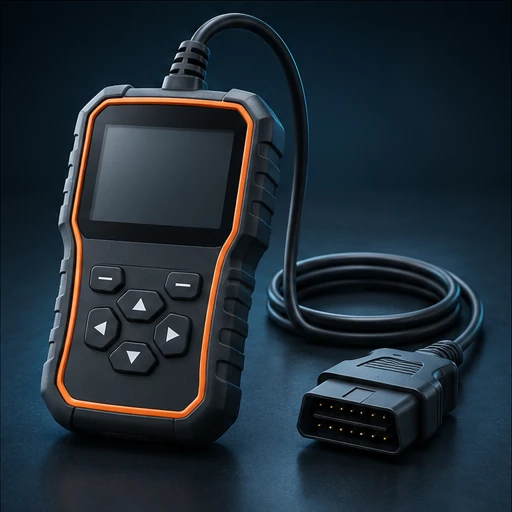
OBD-II Scanners by application
Choose the format that fits the buyer's operating environment and service plan. Use an exact model identifier in the quotation, sample and inspection request.
Basic code reader
Confirm generic codes, frame data and agreed live values on intended sample vehicles.
Wireless adapter
Verify pairing, host application, current draw and documented read-only features.
Workshop tool
Define exact platform coverage, licensed extensions, update policy and authorized service features.
Inside and outside the product
Explore the enclosure, connections and internal assembly. Open a component to see what it does and what matters when comparing suppliers.
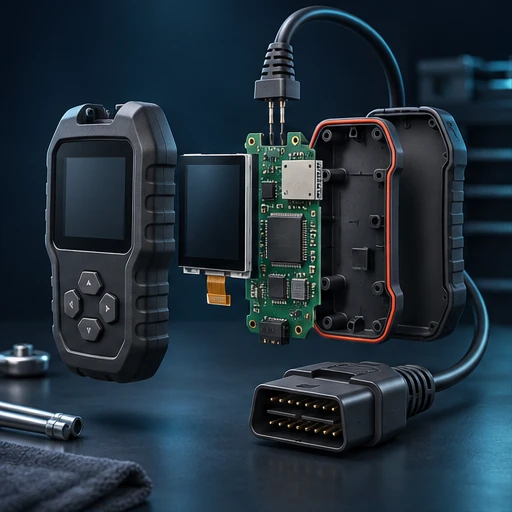
Diagnostic connector
Mates with the approved vehicle socket and connects applicable power and communication pins.
Transceiver
Implements electrical signaling for the supported protocols.
Processor and firmware
Interpret messages and present readings or transmit them to the approved app.
Display or radio
Shows the result locally or links to another device.
Enclosure and cord
Support repeat use and protect the connector and board.
OBD-II Scanners specification table
Ask every supplier for a proposed value, evidence and any deviation for the exact model. Test representative samples under the same operating conditions.
| Parameter | Specify or request from the supplier |
|---|---|
| Vehicle scope | State platform, age, region, diagnostic categories and test units. |
| Protocol | Verify supported standards, live data and tested functions separately. |
| Software | Identify licensing, updates, languages, supported hosts and permissions. |
| Power and fit | Set connector, lead, power, protection and physical limits. |
| Aceptación | Obtain exact model and firmware, coverage and sample evidence. |
| Spares | Require leads, software support and warranty per market. |
Compare the offer line by line
Quote leads, software updates and warranty separately. Agree acceptance by verified vehicle coverage and defect handling for inaccurate reads or physical damage.
Record unit price, minimum order by configuration, sample cost, production lead time and delivery terms. Compare scope with the China import quotation checklist.
From sample to shipment inspection
Agree the sample, test method and acceptance limits before releasing production. Record evidence against the approved product version and verify changes before they enter the lot.
Authorized sample
Test reading and reporting features with qualified staff and approved vehicles or simulator. Record actual configuration and observations.
Pilot release
Freeze transceiver, connector, firmware and software entitlement. Match accessories and written coverage.
Final check
Inspect plug, display or pairing and sample approved functions against the same test rig.
Follow the MOEWORLDWIDE sourcing and quality inspection process for supplier selection, sample review and export coordination.
Documentation, packing and export
Document review
Confirm applicable emissions, radio and battery documents by configuration. Verify software licensing for the target market. Reserve advanced service and write functions for authorized, qualified use.
Freight and carton details
Protect pins and leads against bending or crushing. Identify regional software and subscription editions and preserve serial and entitlement references by shipment.
Confirm the commercial invoice, packing list, delivery term and handover point with the parties responsible for the shipment. Record the accessories and carton conditions in the final order.
Request a sourcing quote for OBD-II scanners
Share the details below so MOEWORLDWIDE can compare suppliers on the exact configuration, evidence, inspection and delivery scope.
- Application and market. Name your destination country and receiving port or city, the intended environment, and the product format you are evaluating.
- Technical brief. Include targets for vehicle scope, protocol, software and share an approved drawing, sample or data sheet when available.
- Order and packaging. List quantity by model, trial order size, repeat volume, accessories, pack languages and target delivery date.
- Evidence and terms. List requested reports, sample approval, inspection, warranty expectations and freight handover point.