
Computing & peripherals
Source rack servers from China
Rack server sourcing requires a system specification for compute, memory, storage, network, power and remote management. Compare hardware by validated configurations and operating load, then confirm installation depth, rails, airflow and service parts. Ask each supplier to quote the same platform and record any proposed alternative component schedule.
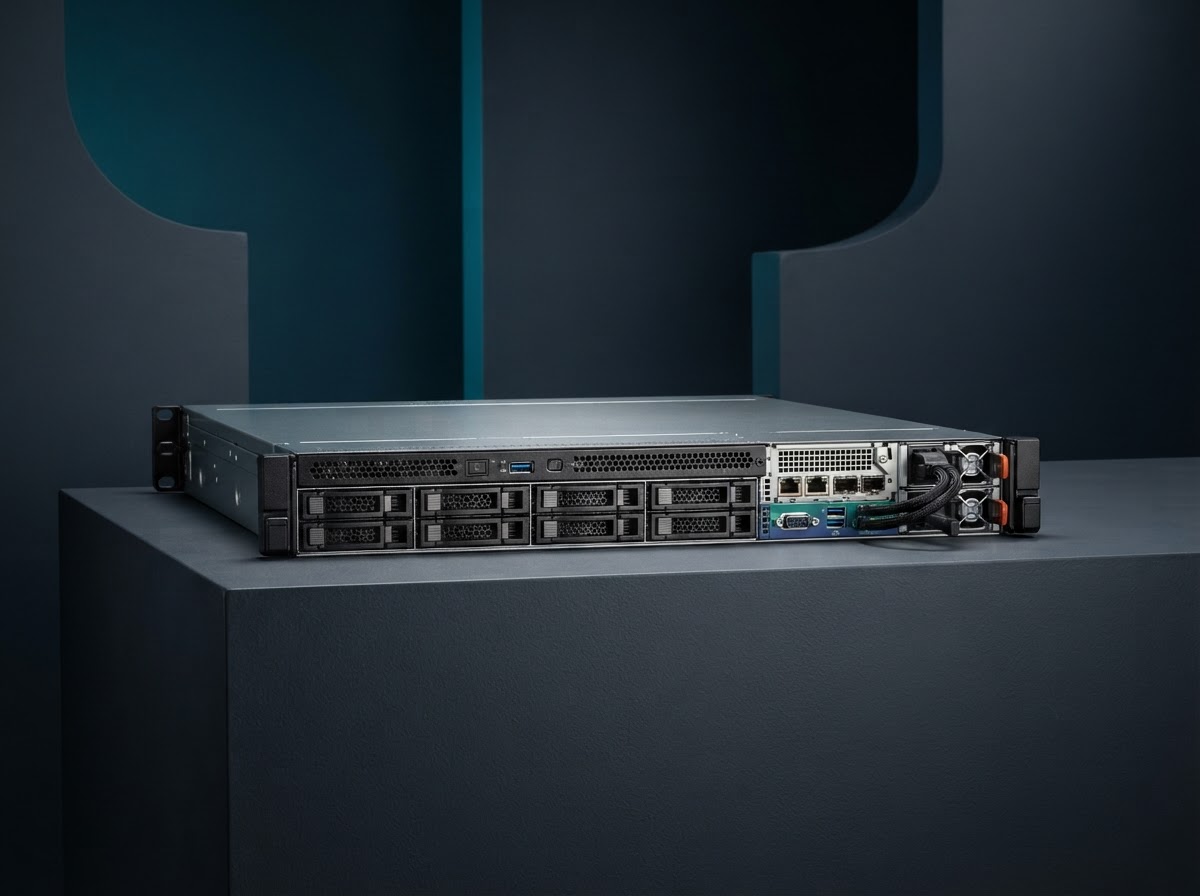
Rack Servers by application
Choose the format that fits your buyer’s environment, operating requirements and support plan. Use the exact model identifier in every quotation and sample request.
General-purpose compute node
Optimize core count, memory population and connectivity for the agreed virtualization or application stack.
Storage-focused server
Confirm drive count, hot-swap backplane, controller mode, workload endurance and reconstruction behavior.
Edge rack system
Define rack depth, power, dust and temperature limits. Check remote recovery and security at unattended sites.
Inside and outside the product
Explore the enclosure, interfaces and internal assembly. Open each component to see what it does and which design details affect sourcing.
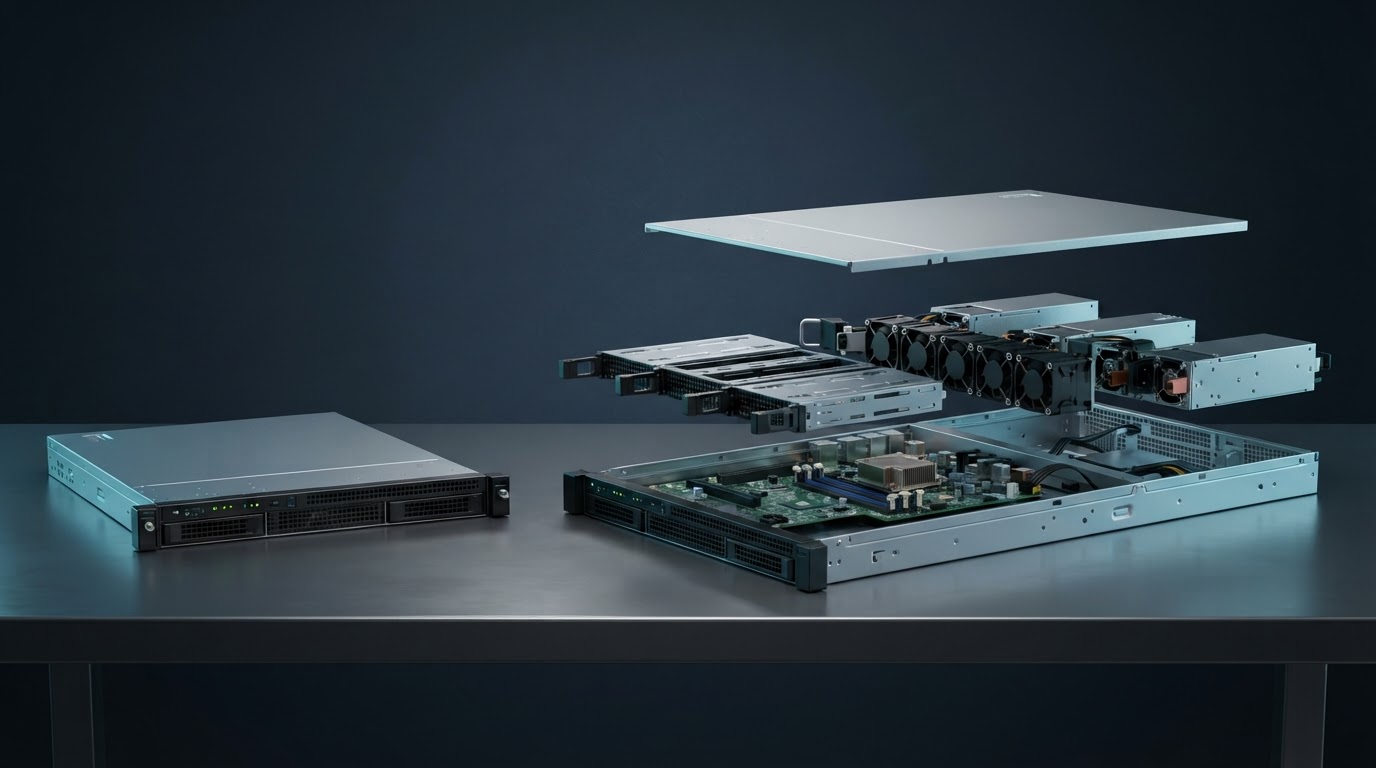
Rack chassis and drive carriers
Rails and bays hold the system and drives, and service access depends on front and rear clearances.
Mainboard and memory
CPU sockets, DIMM channels and PCIe lanes set capacity and bandwidth.
Drive backplane
Power and data reach drive carriers through a backplane matched to drive interface and controller.
Cooling and power
Fan banks and power modules keep components within their operating envelope.
Management controller
An out-of-band controller provides separate monitoring and management where supported.
Rack Servers specification table
Ask each supplier to state a proposed value, supporting evidence and any deviation for the exact model it quotes. Measure samples under the same operating conditions before confirming the final configuration.
| Parameter | Specify or request from the supplier |
|---|---|
| Mechanical package | Rack units, mounting depth, rail range, cable arm, loaded weight and front-to-back airflow. |
| Compute and memory | CPU count and identifiers, DIMM channels, validated modules, capacity and any error-reporting needs. |
| Storage | Drive interface, count, carrier, hot-swap, endurance target, controller and power-loss protection. |
| Network and expansion | Port types, throughput, optics compatibility, PCIe slot budget and accelerator clearance. |
| Power and cooling | Supply redundancy, feed compatibility, connector type, estimated draw at workload and acoustic behavior. |
| Management | Firmware versions, management access, monitoring standards, credential delivery and signed updates. |
| Integration | Approved OS, hypervisor or application version, drivers, burn-in scope and spare-parts matrix. |
Compare the offer line by line
Separate platform, rails, drives, support and any staged configuration service. Define spare replacement windows, root cause reporting and management firmware support across future orders.
Record unit price, minimum order by configuration, sample cost, lead time and quoted handover terms. Use the China import quotation checklist to compare the cost and inclusions of each offer.
From sample to shipment inspection
Agree the sample, test method and acceptance limits before releasing a production order. Build the report around the product’s expected use and the components that can change between lots.
Engineering acceptance
Validate populated memory, each data path, power failover and remote console on the agreed OS. Record temperature, storage health and log results.
Production release
Confirm BOM, drives and serial lists, firmware alignment, management settings and any refurbished status in writing.
Final inspection
Sample memory training, management access, drive health, network links and supply redundancy. Confirm rack rail compatibility and secure packing.
See how supplier selection and inspection coordination fit into the MOEWORLDWIDE sourcing process.
Documentation, packing and export
Document review
Review safety and EMC documentation for the exact model and applicable installation. Require part and serial traceability for listed processors, memory and drives. Confirm licensing scope and regional technical support before quoting resale.
Freight and carton details
Use reinforced cartons or crates designed for loaded weight. Ship rails, spares and drives using agreed protection and inventory, especially where drives will be installed at destination.
Confirm the commercial invoice, packing list, delivery term, cargo handover and any destination-specific documents with the parties responsible for the shipment.
Request a sourcing quote for rack servers
Share the details below so MOEWORLDWIDE can compare offers on the same scope, including the supplied configuration, documentation, inspections and delivery terms.
- Application and market. Identify the general-purpose compute node, storage-focused server or another configuration you are evaluating, and name the destination country and receiving city or port.
- Product specification. Include your target values for mechanical package, compute and memory, storage and attach a current drawing, reference unit or datasheet if available.
- Order and packaging. List quantity by model, trial order size, likely repeat volume, required pack languages, accessories and target delivery date.
- Evidence and terms. List required reports, sample approvals, inspection scope, warranty expectations and preferred freight handover point.